
Molybdenum, a silvery-white metal with the chemical symbol Mo and atomic number 42, is renowned for its exceptional physical and chemical properties. Among its various forms, molybdenum rods and plates stand out due to their unique characteristics and wide-ranging applications. This article explores the properties of molybdenum rods and plates, their applications across diverse industries, and current market trends.
Properties of Molybdenum Rods and Plates
Molybdenum rods and plates are characterized by several outstanding properties:
High Melting Point: With a melting point of 2610°C, molybdenum is one of the highest melting point metals, making it ideal for high-temperature applications.
High Density and Strength: Molybdenum has a density of 10.2 g/cm³ and exhibits high strength and hardness, even at elevated temperatures.
Low Thermal Expansion: The metal has a low coefficient of thermal expansion, ensuring dimensional stability in applications where temperature fluctuations are common.
Excellent Electrical and Thermal Conductivity: Molybdenum is a good conductor of both electricity and heat, making it suitable for applications requiring efficient energy transfer.
Resistance to Oxidation and Corrosion: Molybdenum resists oxidation at high temperatures and exhibits good corrosion resistance in various environments.
Production Methods
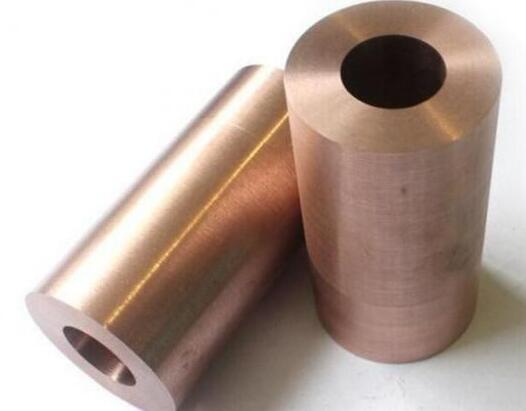
Molybdenum rods and plates are typically produced using powder metallurgy techniques. The process involves:
Powder Preparation: High-purity molybdenum powder is produced through chemical processing of molybdenum ore.
Isostatic Pressing: The powder is compacted under high pressure to form a green compact.
Sintering: The compact is heated to high temperatures to bond the powder particles, resulting in a dense and strong material.
Rolling and Finishing: For plates, the sintered material is rolled to the desired thickness and surface finish. Rods may undergo additional machining steps to achieve precise dimensions.
Applications of Molybdenum Rods and Plates
The unique properties of molybdenum make it suitable for a wide range of applications:
- Steel Production:
- Molybdenum is a crucial alloy element in steel production. Adding molybdenum enhances steel’s strength, hardness, toughness, wear resistance, and corrosion resistance.
- Molybdenum-containing steels are used in the manufacture of high-strength alloy steels for automotive parts, mechanical components, tools, and dies.
- Electronics Industry:
- Molybdenum’s excellent electrical conductivity and high-temperature stability make it suitable for electronic components such as electrodes, semiconductor devices, and heat sinks.
- Molybdenum rods and plates are used in the production of sputtering targets for thin-film deposition in the electronics industry.
- Chemical and Petrochemical Industry:
- Molybdenum compounds are used as catalysts in petroleum refining and chemical synthesis processes.
- Molybdenum-based catalysts play a vital role in reactions such as hydrodesulfurization, improving fuel quality.
- Aerospace and Defense:
- Molybdenum’s ability to withstand extreme temperatures and pressures makes it suitable for aerospace components such as engine parts, nozzles, and heat shields.
- Molybdenum alloys are used in the construction of high-temperature furnace components and heat exchangers.
- Medical Industry:
- Molybdenum’s biocompatibility and high-temperature resistance make it useful in medical devices such as X-ray targets, surgical instruments, and prosthetic components.
- Molybdenum-based alloys are used in the production of radiation shielding materials.
- Other Applications:
- Molybdenum rods and plates are used in the production of glass melting electrodes, furnace components, and heat spreaders.
- They are also used in the production of molybdenum boats for high-temperature sintering processes.
Market Trends
The global molybdenum market is expected to witness healthy growth in the coming years, driven by increasing demand from various end-user industries:
- Growth Forecast:
- The global molybdenum market is projected to grow at a compound annual growth rate (CAGR) of greater than 4% from 2023 to 2029.
- Regional Demand:
- Asia-Pacific is the fastest-growing and largest market for molybdenum, driven by increasing industrialization, infrastructure development, and rising demand from the steel and chemical industries.
- North America and Europe are also significant markets, with demand primarily from the aerospace, automotive, and electronics sectors.
- Supply Dynamics:
- The molybdenum market has been in a state of oversupply in recent years, due to fluctuating demand from the steel sector and increased production from countries like China and Russia.
- However, consolidation within the global molybdenum industry and potential supply disruptions could lead to changes in supply dynamics in the future.
- Technological Advancements:
- Innovations in processing techniques, such as the development of new molybdenum alloys and composites, are expected to drive future demand.
- The emergence of new applications, such as in energy storage and renewable energy technologies, could also contribute to market growth.
- Environmental Regulations:
- Increasing environmental regulations and the need for sustainable materials could influence the molybdenum market, with a focus on reducing emissions and improving resource efficiency.
Molybdenum rods and plates, with their exceptional properties, find applications in a wide range of industries, from steel production and electronics to aerospace and medicine. As the global molybdenum market continues to grow, driven by increasing demand and technological advancements, the future looks promising for this versatile metal. Understanding the properties, applications, and market trends of molybdenum rods and plates is essential for businesses and researchers looking to harness the full potential of this remarkable material.