
The processing of molybdenum-copper sheets, given its significance in various industrial applications such as aerospace, high-end manufacturing, and electronic devices, plays a pivotal role in modern industrial development. However, this process also poses challenges related to environmental protection and sustainable development. This article explores strategies to ensure that the processing of molybdenum-copper sheets aligns with environmental and sustainability goals.
Current Status and Challenges
The production of molybdenum-copper sheets involves multiple steps, including raw material extraction, alloying, rolling, annealing, and finishing. Each of these steps has the potential to generate waste and emissions, impacting the environment. For instance, the extraction of molybdenum and copper ores can lead to soil and water contamination, while the smelting and refining processes may emit harmful gases and particulates.
Moreover, traditional processing methods for molybdenum-copper sheets often result in material waste, energy consumption, and the generation of hazardous by-products. These issues necessitate the adoption of environmentally friendly and sustainable processing strategies.
Environmental Protection Strategies
Adopting Cleaner Production Techniques:
- Implementing advanced smelting and refining technologies to reduce emissions and improve resource utilization.
- Utilizing energy-efficient equipment and processes to minimize energy consumption.
- Introducing waste recycling mechanisms to reduce material waste and promote circular economy principles.
Waste Management and Recycling:
- Establishing comprehensive waste management systems to collect, classify, and dispose of waste properly.
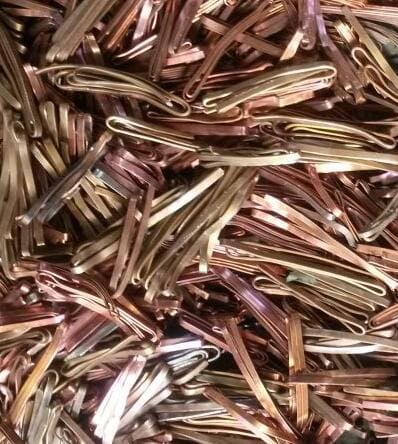
- Promoting the recycling of scrap molybdenum-copper sheets and by-products to conserve resources and reduce environmental impact.
Emission Control:
- Installing air pollution control devices such as scrubbers and filters to reduce emissions of harmful gases and particulates.
- Monitoring and managing wastewater discharge to ensure compliance with environmental regulations.
Sustainable Development Strategies
Promoting Green Innovation:
- Encouraging research and development of new materials and processing technologies that are more environmentally friendly and energy-efficient.
- Collaborating with universities, research institutions, and industry partners to accelerate the commercialization of green technologies.
Optimizing Product Design:
- Designing molybdenum-copper sheets with improved mechanical properties and corrosion resistance to extend their service life and reduce the frequency of replacement.
- Incorporating recyclable materials and designs to facilitate the recycling process and reduce waste.
Enhancing Resource Efficiency:
- Implementing lean production principles to minimize material waste and energy consumption during the processing of molybdenum-copper sheets.
- Utilizing by-products and waste streams from other processes as raw materials for molybdenum-copper production, thereby creating a closed-loop production system.
Strengthening Industry Collaboration:
- Establishing industry alliances and cooperatives to share best practices, resources, and technologies related to environmental protection and sustainable development.
- Participating in international standard-setting organizations and industry associations to promote environmental and sustainability initiatives globally.
Conclusion
The processing of molybdenum-copper sheets must prioritize environmental protection and sustainable development to meet the growing demand for high-performance materials while minimizing environmental impact. By adopting cleaner production techniques, managing waste and emissions effectively, promoting green innovation, optimizing product design, enhancing resource efficiency, and strengthening industry collaboration, the molybdenum-copper industry can achieve long-term sustainability and contribute to a greener future. As we move forward, continuous improvement and innovation will be key to balancing economic growth with environmental responsibility.