
The phrase “Exploring the Antioxidant Capabilities of High-Performance Molybdenum Plates” suggests an investigation into whether molybdenum plates, particularly those of high performance, possess antioxidant properties. However, it’s important to clarify that molybdenum itself is not traditionally recognized as an antioxidant material in the context of biochemical or nutritional antioxidants (such as vitamins C and E). Instead, molybdenum is primarily valued for its physical and mechanical properties in industrial applications.
Key Points to Consider:
Molybdenum’s Traditional Role:
- Molybdenum is a refractory metal known for its high melting point, low vapor pressure, good thermal conductivity, and corrosion resistance.
- It is widely used in industries such as electronics, aerospace, nuclear energy, and automotive due to these properties.
Antioxidant Definition:
- Antioxidants are compounds that inhibit oxidation, a chemical reaction that can produce free radicals and potentially cause damage to cells.
- In the context of biology and nutrition, antioxidants are often vitamins, minerals, or other compounds that help protect cells from oxidative stress.
Molybdenum’s Antioxidant-Like Properties in Industrial Settings:
- While molybdenum itself is not an antioxidant in the biochemical sense, it can exhibit antioxidant-like behavior in certain industrial contexts.
- For example, molybdenum-based alloys are often used in high-temperature environments where they can help protect against oxidation and corrosion.
- In these cases, molybdenum acts as a barrier that slows down the oxidation process, thereby preserving the integrity and performance of the material.
High-Performance Molybdenum Plates:
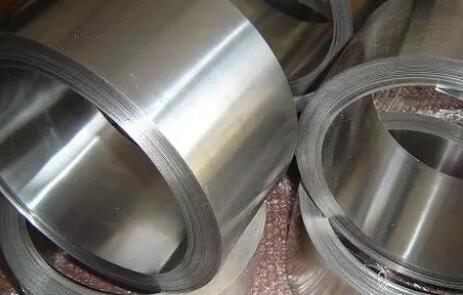
- High-performance molybdenum plates are likely to be used in applications where extreme temperatures, pressures, and corrosive environments are present.
- These plates are engineered to maintain their mechanical properties and resist oxidation even under harsh conditions.
- However, it’s important to note that their antioxidant capabilities in this context refer to their ability to resist chemical oxidation, not biochemical oxidation within living organisms.
Conclusion:
In summary, while molybdenum plates, particularly those of high performance, are not traditionally considered antioxidants in the biochemical sense, they do exhibit antioxidant-like properties in industrial settings. These properties help protect against chemical oxidation and corrosion, thereby preserving the material’s integrity and performance in extreme environments. When exploring the antioxidant capabilities of molybdenum plates, it’s important to distinguish between their industrial applications and their potential uses in biochemical contexts.