
Molybdenum plates, known for their exceptional physical and chemical properties, play a pivotal role in various industries, including semiconductors, solar cells, aerospace, nuclear power, and electronics. Among its numerous attributes, hardness is a critical performance indicator that determines its applicability and durability in different applications. This article delves into the hardness of molybdenum plates and the multiple factors that influence this property.
Understanding Hardness
Hardness is a measure of a material’s resistance to indentation or scratching. For molybdenum plates, hardness is typically measured using various scales, such as the Rockwell (HR), Vickers (HV), and Brinell (HB) hardness tests. The Rockwell hardness test, in particular, is widely used due to its simplicity and reliability.
Range of Hardness in Molybdenum Plates
Molybdenum plates exhibit a hardness range that can vary significantly based on their composition, processing, and heat treatment. Generally, the Rockwell hardness of molybdenum plates falls between 300 and 600. However, pure molybdenum plates may have a Vickers hardness range of 150-250 HV, reflecting the impact of purity and processing techniques on hardness.
Factors Influencing Hardness
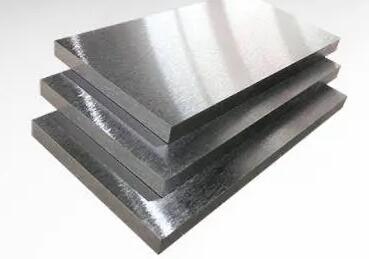
Several factors contribute to the hardness of molybdenum plates:
Purity and Composition: The purity of molybdenum plays a crucial role in determining its hardness. High-purity molybdenum tends to have lower hardness, while impurities can increase hardness. Additionally, alloying elements can further modify the hardness properties of molybdenum plates.
Thickness: The thickness of molybdenum plates influences their internal grain structure and arrangement, thereby affecting hardness. Typically, thinner plates exhibit higher hardness due to the refinement of grain structure.
Processing Techniques: Cold working and hot working are two primary processing techniques that significantly impact molybdenum plate hardness. Cold working introduces residual stresses, leading to increased hardness. Conversely, hot working helps relieve these stresses, resulting in softer plates.
Heat Treatment: Heat treatment is another critical factor that can enhance or reduce the hardness of molybdenum plates. Proper heat treatment can eliminate residual stresses and optimize grain structure, leading to improved hardness and mechanical properties. However, excessive heat or prolonged exposure can cause grain growth, negatively impacting hardness.
Applications and Importance of Hardness
The hardness of molybdenum plates is crucial for their application in various industries. In semiconductor and solar cell manufacturing, thin molybdenum plates with high hardness are essential for their use in microelectronic devices. In contrast, thicker plates with high temperature stability are preferred for applications in vacuum furnaces, high-temperature furnaces, electrodes, and capacitors.
In aerospace and nuclear industries, molybdenum plates with optimized hardness are vital for components that require resistance to extreme temperatures, corrosion, and mechanical stress. The hardness of molybdenum plates also determines their wear resistance and fatigue life, which are critical for long-term performance and reliability.
Conclusion
In summary, the hardness of molybdenum plates is a complex performance indicator influenced by multiple factors, including purity, thickness, processing techniques, and heat treatment. Understanding these factors is essential for selecting the appropriate molybdenum plate for specific applications, ensuring optimal performance and durability. As technology advances and industrial demands evolve, continuous research and innovation in molybdenum processing and alloying will further enhance the hardness and overall properties of molybdenum plates, expanding their applications and versatility across various sectors.