
The cleaning steps for molybdenum plates need to be customized according to different stains and cleaning environments, from home to laboratory. Here is a detailed guide to cleaning steps from basic to advanced:
Basic Cleaning at Home
- Prepare Tools: Soft cloth, lukewarm water, neutral detergent (such as dish soap).
- Soak or Wipe: If the stains are not severe, directly wipe the surface of the molybdenum plate with a soft cloth dampened in lukewarm water. For slightly harder-to-remove stains, mix a small amount of neutral detergent with lukewarm water, dampen a soft cloth with it, and gently wipe the stains.
- Rinse and Dry: Rinse the molybdenum plate thoroughly with clean water and then dry it with a clean soft cloth, avoiding the use of rough fabrics that may scratch the surface.
Advanced Cleaning at Home
- For stubborn stains, try using a specialized metal cleaner (ensuring it is safe for molybdenum materials) diluted according to the instructions, wipe with it, and then rinse and dry as before.
Laboratory Cleaning Steps
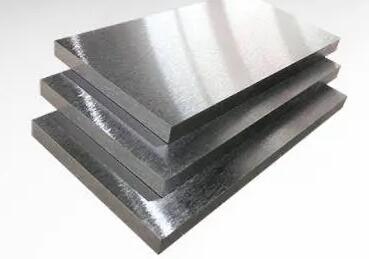
Chemical Degreasing
- Prepare Solution: In a laboratory setting, chemical methods are often used to remove oil stains. For example, immerse the molybdenum plate in a 5% NaOH aqueous solution for 20 minutes to remove oil.
- Rinse: Rinse the molybdenum plate with deionized water to remove residual NaOH solution.
- Dry: Dry the molybdenum plate with a clean cloth or air blower.
Acid Pickling to Remove Oxides
- For oxides on the surface of the molybdenum plate, a mixed acid can be used for cleaning. For instance, mix 50% nitric acid and 10% hydrofluoric acid by volume, and clean at a controlled temperature between 102°F and 150°F. This method can effectively remove oxides, but safety precautions must be taken, such as wearing a face shield, acid-resistant gloves, chemical-resistant apron and boots, and ensuring good ventilation.
- After acid pickling, the molybdenum plate must be rinsed repeatedly with clean water to remove residual acid.
Cleaning with Abrasive Cloth
- For small areas with stubborn stains, a fine-grained abrasive cloth can be used. Soak the abrasive cloth in water, add an appropriate amount of cleaner, and then remove it. Gently wipe the surface of the molybdenum plate. However, note that this method is only suitable for mild stains and avoid excessive force to prevent damaging the molybdenum plate.
Precautions
- Before performing any cleaning operation, it is essential to understand the material properties of the molybdenum plate and the suitability of the cleaner to avoid unnecessary damage.
- When using chemical cleaners or acid pickling, always follow safety operating procedures, wear appropriate protective equipment, and ensure good ventilation.
- After cleaning, the molybdenum plate should be stored properly to avoid recontamination or damage.