
In the realm of advanced materials science, copper-tungsten (Cu-W) composites have emerged as a class of materials with exceptional properties, finding widespread applications across diverse industries. The interplay between the melting point of Cu-W composites and their resultant performance characteristics is a subject of considerable interest. This article delves into the intricacies of this relationship, exploring how the unique attributes of tungsten and copper, when combined, yield Cu-W composites with tailored properties suited for high-performance applications.
Introduction to Copper-Tungsten Composites
Copper-tungsten composites are created by combining tungsten (W) and copper (Cu) through various manufacturing processes such as powder metallurgy or sintering. Tungsten is renowned for its high melting point (3410°C), high density, low coefficient of thermal expansion, and excellent mechanical strength. Conversely, copper boasts superior electrical and thermal conductivity, as well as good ductility. The combination of these two metals results in Cu-W composites that exhibit a blend of these properties, making them ideal for applications requiring a balance of strength, conductivity, and thermal stability.
Melting Point Considerations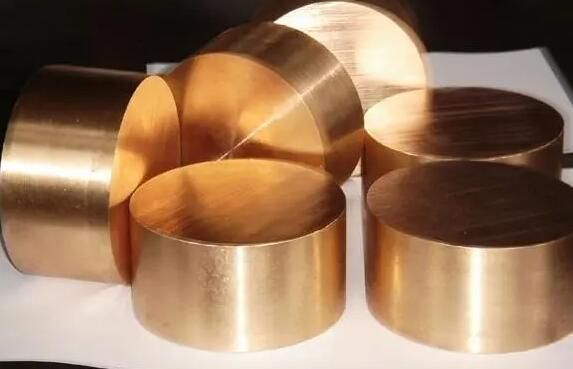
The melting point of Cu-W composites is a critical parameter that influences their application scope. Pure tungsten has a melting point significantly higher than that of copper (1083°C). The melting point of Cu-W composites lies between these two extremes and is influenced by the composition ratio of tungsten to copper. Typically, Cu-W composites can withstand temperatures well above the melting point of copper due to the presence of tungsten, which acts as a heat sink and structural stabilizer.
When subjected to temperatures approaching their melting point, Cu-W composites undergo complex thermal interactions. Above a certain threshold, the copper phase within the composite begins to melt, absorbing significant amounts of heat through evaporation. This phenomenon, known as self-cooling, helps to dissipate heat and protect the tungsten skeleton, ensuring the composite maintains its structural integrity at elevated temperatures.
Performance Characteristics and Applications
The high melting point and resultant thermal stability of Cu-W composites make them indispensable in numerous high-performance applications:
Electrical Contacts and Switches: Cu-W composites are widely used in electrical contacts and switches due to their high electrical conductivity, low electrical erosion, and high resistance to arc erosion. These properties ensure reliable performance in high-voltage applications, such as in relays and circuit breakers.
Thermal Management Materials: In electronics, Cu-W composites serve as excellent thermal management materials. Their high thermal conductivity allows for efficient heat dissipation, protecting sensitive components from overheating.
High-Temperature Structural Components: Aerospace and military applications often require materials that can withstand extreme temperatures. Cu-W composites, with their high melting point and excellent mechanical strength, are ideal for components like rocket nozzles, aircraft throat liners, and nose cones.
Radiation Shielding: The high density of tungsten makes Cu-W composites effective for radiation shielding in medical linear accelerators and nuclear reactors.
Tailoring Properties through Composition Adjustment
The performance of Cu-W composites can be tailored by adjusting the tungsten-to-copper ratio. Higher tungsten content increases the melting point, hardness, and density of the composite, but may decrease electrical and thermal conductivity. Conversely, increasing the copper content enhances conductivity but lowers the melting point and hardness. This flexibility allows for the creation of Cu-W composites specifically designed to meet the requirements of different applications.
Conclusion
The relationship between the melting point and performance characteristics of copper-tungsten composites is a multifaceted one, influenced by the composition ratio of tungsten and copper. By leveraging the unique properties of these two metals, Cu-W composites offer a versatile material solution for high-performance applications requiring a balance of strength, conductivity, and thermal stability. Understanding this relationship is crucial for the effective design and application of Cu-W composites, ensuring they meet the rigorous demands of modern technology. As research continues, Cu-W composites are poised to play an increasingly critical role in advancing the capabilities of industries ranging from aerospace to electronics.