
Molybdenum (Mo), a silver-white metallic element with the atomic number 42 and chemical symbol Mo, holds a pivotal position in the global economy due to its diverse applications and critical role in various industries. This article delves into the myriad uses of molybdenum and underscores its strategic importance in the global economic landscape.
Uses of Molybdenum
Molybdenum is renowned for its exceptional physical properties, including high melting point, hardness, and corrosion resistance. These attributes make it indispensable in a multitude of applications across different sectors.
- Steel and Alloy Production:
- Molybdenum is a vital alloying element in steel, enhancing its hardness, strength, and corrosion resistance. It is used in the production of high-strength, low-alloy steels, stainless steels, and superalloys, which are crucial for the construction, automotive, aerospace, and oil and gas industries.
- Chromium-molybdenum (Cr-Mo) steel, for example, is used in the manufacture of pressure vessels, boilers, and pipelines due to its high temperature and corrosion resistance.
- Electronics and Semiconductors:
- Molybdenum’s excellent electrical conductivity and high temperature stability make it suitable for use in electronic devices and semiconductors. It is used in the production of thin films and electrodes in electronic circuits and solar cells.
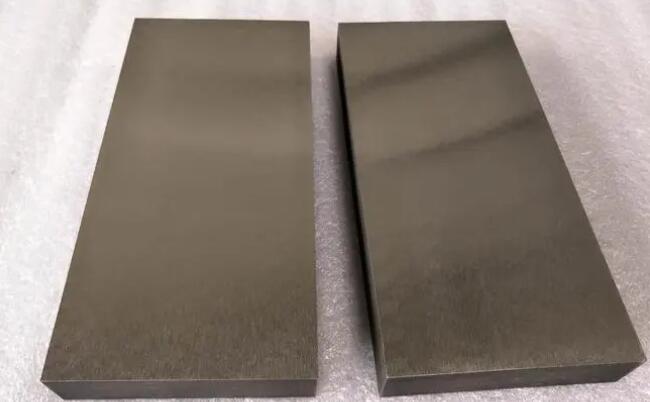
molybdenum plate
- Molybdenum’s excellent electrical conductivity and high temperature stability make it suitable for use in electronic devices and semiconductors. It is used in the production of thin films and electrodes in electronic circuits and solar cells.
- Chemical Industry:
- In the chemical industry, molybdenum-based catalysts are used in the production of various chemicals, including ammonia, methanol, and olefins. These catalysts are essential for increasing the efficiency and productivity of chemical processes.
- Aerospace and Defense:
- Molybdenum alloys are used in aerospace applications due to their high strength, low density, and excellent resistance to high temperatures and corrosion. They are found in aircraft engines, missiles, and spacecraft components.
- Medical Applications:
- Molybdenum is also used in medical applications, such as in radiation shielding and in the production of medical isotopes. Its low toxicity and biocompatibility make it a suitable material for medical implants and devices.
Strategic Position in the Global Economy
Molybdenum’s diverse applications and critical role in various industries underscore its strategic importance in the global economy.
- Economic Significance:
- The demand for molybdenum is closely tied to the performance of key industries such as steel, automotive, aerospace, and chemicals. Fluctuations in these industries can have a significant impact on molybdenum prices and demand.
- China, the world’s largest producer and consumer of molybdenum, plays a crucial role in shaping the global molybdenum market. Its policies and economic performance can have a profound influence on the supply and demand dynamics of molybdenum.
- Supply Chain and Resource Allocation:
- The global molybdenum supply chain involves mining, refining, and processing operations, which are often concentrated in specific regions. Disruptions in this supply chain, such as mining accidents, political unrest, or trade restrictions, can have far-reaching consequences for molybdenum supply and prices.
- Efficient resource allocation and sustainable mining practices are essential to ensure the long-term availability and stability of molybdenum supplies.
- Technological Advancements and Emerging Applications:
- Advances in technology and the development of new applications for molybdenum are driving its demand in emerging sectors such as renewable energy, electronics, and biotechnology. These emerging applications provide new growth opportunities for the molybdenum industry.
- Geopolitical Considerations:
- The geopolitical landscape can also have an impact on molybdenum’s strategic position. Trade tensions, export restrictions, and geopolitical conflicts can disrupt molybdenum supply chains and affect prices.
Molybdenum’s diverse applications and critical role in various industries underscore its strategic importance in the global economy. Its use in steel and alloy production, electronics, chemicals, aerospace, and medical applications highlights its versatility and value. As the demand for molybdenum continues to grow, efficient resource allocation, sustainable mining practices, and technological advancements will be crucial to ensuring its long-term availability and stability. The molybdenum industry must also navigate the complexities of the global supply chain and geopolitical landscape to maintain its strategic position in the global economy.