
Tungsten steel, typically comprising tungsten, cobalt, steel, and other alloy elements, is widely utilized in the machinery manufacturing industry due to its high strength, excellent wear resistance, and temperature tolerance. It is particularly suitable for the production of high-strength, high-wear-resistant components such as cutting tools, molds, and mining tools. The welding process of tungsten steel is intricate, necessitating careful attention to welding essentials and quality control strategies. Below is an in-depth analysis of tungsten rod (used as an electrode in tungsten steel welding) welding process essentials and quality control measures.
Welding Process Essentials
- Electrode Selection:
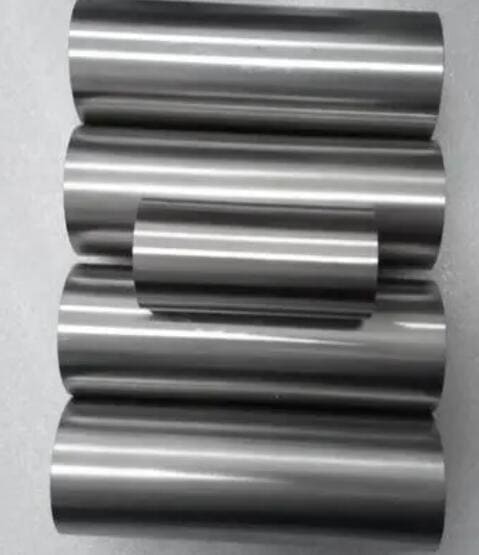
- The use of specialized electrodes—tungsten rods—is crucial for tungsten steel welding. Choosing the right tungsten rod is essential as it directly impacts welding quality and efficiency. The tungsten rod should contain an appropriate amount of tungsten and other alloy elements to meet welding requirements.
- Surface Preparation:
- Thoroughly clean the steel surface before welding to remove impurities like slag, grease, and oxides, which can negatively affect welding quality. Tools such as wire brushes and sandpaper are commonly used for cleaning, and a flux is applied to the surface to enhance welding quality.
- Temperature Control:
- Tungsten steel welding requires high temperatures, necessitating specialized welding equipment and precise temperature control. Ensure that the melting points of the iron piece and tungsten rod are similar to achieve optimal welding results. Accurately control welding time, as too short a duration may not achieve the desired effect, while too long can compromise the steel’s mechanical properties.
- Welding Method Selection:
- Various welding methods are suitable for tungsten steel and steel, including oxy-acetylene flame brazing, vacuum brazing, arc welding, inert gas shielded welding, friction welding, plasma arc welding, vacuum diffusion welding, and electron beam welding. Select the appropriate method based on the specific workpiece structure, material, and welding requirements.
- Linear Expansion Coefficient and Crack Control:
- Tungsten steel has a significantly different linear expansion coefficient from ordinary steel, which can lead to residual stress and cracks during welding. Measures such as reducing brazing temperature, preheating and slow cooling, selecting ductile brazing filler metals, and adding compensation shims can help minimize welding stress and prevent cracks.
- Oxidation Issues:
- Tungsten steel is prone to oxidation during heating, forming a loose oxide layer that reduces weld strength and hardness. Measures to reduce oxidation at the welding site, such as using inert gas-shielded welding and controlling heating rates, are essential.
Quality Control Strategies
- Welder Training and Evaluation:
- The welding operator’s skills and careful work attitude are crucial to welding quality. Strengthen welders’ quality awareness education, conduct regular job training to improve their skills and quality consciousness, implement welder examination systems, insist on certification for work, and establish welder technical archives.
- Welding Equipment Maintenance and Management:
- The performance, stability, and reliability of welding equipment directly impact welding quality. Regularly maintain and inspect welding equipment to ensure its proper functioning in production. Establish equipment user responsibility systems to ensure timely and continuous maintenance.
- Raw Material Quality Control:
- Raw material quality significantly influences welding quality. Strengthen incoming inspection and testing of welding raw materials, establish strict raw material management systems, and prevent contamination during storage. Choose reputable suppliers to fundamentally prevent welding quality accidents.
- Formulation and Execution of Welding Procedure Specifications:
- Developing reasonable and comprehensive welding procedure specifications is a fundamental basis for ensuring welding quality. Conduct welding procedure qualifications, select experienced welding technicians to prepare process documents, and strictly follow process specifications during production, strengthening on-site management and supervision.
- Environmental Control:
- Welding operations are often influenced by external natural conditions. When welding in low-temperature environments, preheat the workpiece to prevent welding quality issues caused by excessively low temperatures.
In conclusion, tungsten rod welding process essentials and quality control strategies encompass electrode selection, surface preparation, temperature control, welding method selection, crack and oxidation control, as well as welder training, equipment maintenance, raw material quality control, welding procedure specification formulation and execution, and environmental control. By comprehensively addressing these aspects, we can significantly improve tungsten steel welding quality, meeting the manufacturing demands of various high-strength, high-wear-resistant components.