
Molybdenum materials, particularly rods and plates, play an essential role in various industries due to their unique properties and versatility. Here’s a closer look at their significance and applications:
Properties of Molybdenum Rods and Plates
- High Melting Point and Thermal Conductivity: Molybdenum has a high melting point of 2617°C, making it suitable for applications that require materials to withstand high temperatures. Additionally, it has good thermal conductivity, allowing for efficient heat transfer.
- Low Thermal Expansion: Molybdenum exhibits low thermal expansion, which means it maintains its dimensional stability over a wide range of temperatures. This property is crucial for precision components and systems that must operate within tight tolerances.
- High Strength and Corrosion Resistance: Molybdenum rods and plates are known for their high strength and corrosion resistance, making them ideal for harsh environments and demanding applications.
Applications in Various Industries
Electronics and Semiconductor Industry:
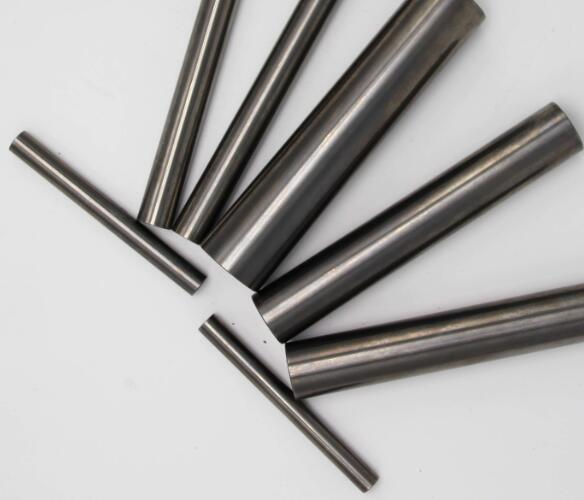
- Electrodes: Molybdenum rods are commonly used as electrodes in glass melting, glass fiber production, and rare-earth industries.
- Heating Elements: Due to their high melting point and thermal stability, molybdenum plates are used to produce heating elements and refractory parts in high-temperature furnaces.
Aerospace and Defense:
- Structural Components: Molybdenum’s high strength, density, and resistance to high temperatures make it a valuable material for structural components in aerospace and defense applications.
- Missile Components: Its ability to withstand extreme conditions makes molybdenum rods and plates suitable for missile components and other defense systems.
Medical Industry:
- Implants: Molybdenum’s corrosion resistance and biocompatibility make it a potential candidate for medical implants, such as orthopedic devices and dental implants.
- Radiation Shielding: Its high density and ability to absorb radiation make molybdenum plates useful in radiation shielding applications.
Automotive Industry:
- Lightweight Components: Molybdenum’s high strength-to-weight ratio makes it a desirable material for lightweight components in the automotive industry, such as engine parts and exhaust systems.
Energy Industry:
- Nuclear Energy: Molybdenum’s resistance to radiation and high temperatures makes it a critical material in nuclear energy applications, such as reactor components and shielding.
- Solar Energy: Molybdenum is also used in solar energy systems, particularly in the production of solar cells and other photovoltaic components.
Chemical and Petrochemical Industry:
- Catalysts and Catalyst Supports: Molybdenum-based catalysts are widely used in the chemical and petrochemical industries for various reactions, such as hydrogenation, dehydrogenation, and isomerization.
Molybdenum rods and plates are indispensable in a wide range of industries due to their unique properties and versatility. From electronics and aerospace to medical and automotive applications, molybdenum materials play a crucial role in enabling innovation and improving performance. As technology continues to advance, the demand for molybdenum materials is likely to increase, further solidifying their essential role in various industries