
Molybdenum (Mo), a transition metal renowned for its high melting point, excellent corrosion resistance, and remarkable strength-to-weight ratio, finds applications across diverse industries ranging from aerospace and nuclear energy to electronics and medical technology. Among its various forms, molybdenum plates stand out due to their unique combination of properties that make them ideal for high-stress, high-temperature environments. To fully appreciate the versatility and reliability of molybdenum plates, it is crucial to conduct rigorous testing, particularly focusing on their toughness—a critical measure of a material’s ability to absorb energy and resist fracture. This article delves into the methodology and significance of molybdenum plate toughness testing, highlighting its exceptional physical performance.
The Importance of Toughness Testing
Toughness is a fundamental material property that reflects a material’s resistance to crack initiation and propagation under stress. In the context of molybdenum plates, this property is particularly vital as they are often employed in extreme conditions where mechanical failure could have catastrophic consequences. Toughness testing not only ensures compliance with industry standards and safety regulations but also aids in the development of advanced materials tailored to meet specific application demands.
Testing Methods for Molybdenum Plates
Several standardized tests are employed to evaluate the toughness of molybdenum plates, each designed to simulate different types of stress and failure modes. Some of the most common methods include: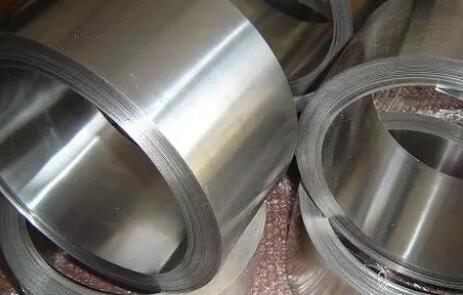
Charpy Impact Test: This test measures the energy absorbed by a specimen during fracture, providing insights into its impact resistance. For molybdenum plates, the Charpy V-notch test is typically used, where a specimen with a pre-notch is struck by a pendulum hammer. The resulting energy absorbed is a direct indication of the material’s toughness.
Izod Impact Test: Similar to the Charpy test but with some differences in specimen preparation and hammer configuration, the Izod test assesses impact energy in a slightly different manner. Both tests are widely used due to their simplicity and effectiveness in comparing material toughness.
Tensile Testing: While primarily used to determine ultimate tensile strength and elongation at break, tensile tests can also offer indirect insights into a material’s toughness through the area under the stress-strain curve, known as the energy absorption capacity.
Fracture Toughness Testing (KIC): This advanced test measures the critical stress intensity factor at which a crack starts to propagate spontaneously in a standardized specimen. It provides a quantitative measure of a material’s resistance to crack extension, crucial for applications where crack sensitivity is a major concern.
Exceptional Performance of Molybdenum Plates
Molybdenum plates consistently demonstrate exceptional toughness across these testing regimes. Their high density and crystalline structure contribute to their ability to dissipate energy effectively, preventing brittle failure even under extreme loads. The combination of high strength and good ductility allows molybdenum plates to maintain their integrity in high-temperature settings, where many other metals would soften and lose mechanical properties.
Moreover, molybdenum’s resistance to creep—a slow, time-dependent deformation under sustained load—further enhances its suitability for long-term applications in harsh environments. This robustness makes molybdenum plates an invaluable choice for components in jet engines, nuclear reactors, and high-performance tooling, among others.
Conclusion
The rigorous testing of molybdenum plates for toughness underscores their unparalleled physical properties and validates their use in some of the most demanding applications. From the precision of aerospace engineering to the critical safety requirements of nuclear technology, molybdenum plates continue to prove their worth through their consistent performance and reliability. As materials science advances, the ongoing exploration of molybdenum’s potential will undoubtedly lead to new applications and further solidify its position as a cornerstone of modern engineering. Through comprehensive testing and continuous innovation, the exceptional toughness of molybdenum plates remains a testament to the material’s versatility and resilience.