
Molybdenum, a transition metal renowned for its exceptional properties such as high melting point, corrosion resistance, and excellent thermal and electrical conductivity, is a crucial component in numerous high-performance applications. In particular, molybdenum rods, often used in the aerospace, electronics, and medical industries, require stringent purity standards to ensure optimal performance. This article delves into the importance of molybdenum rod purity, the methods of purity assessment, and its impact on various applications.
The Importance of Purity
The purity of molybdenum rods is paramount for several reasons:
Mechanical Properties: Impurities can significantly alter the mechanical properties of molybdenum, such as tensile strength, ductility, and hardness. High-purity molybdenum rods exhibit superior strength and resilience, making them ideal for high-stress applications.
Corrosion Resistance: Impurities can compromise molybdenum’s inherent corrosion resistance, leading to premature failure in harsh environments. Pure molybdenum rods maintain their integrity and durability in aggressive chemicals and high-temperature conditions.
Thermal Conductivity: The thermal conductivity of molybdenum is crucial for applications involving rapid heating and cooling. Impurities can disrupt the material’s thermal conductivity, leading to inefficient heat transfer and potential failures.
Electrical Conductivity: High-purity molybdenum rods exhibit superior electrical conductivity, making them ideal for use in electronic components and high-temperature superconductors.
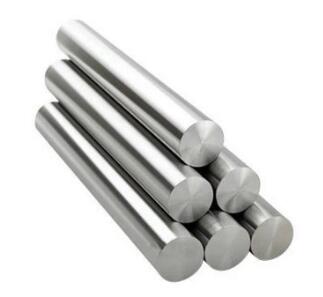
Methods of Purity Assessment
Ensuring the purity of molybdenum rods involves rigorous testing and analysis using various methods:
Chemical Analysis: Techniques such as inductively coupled plasma mass spectrometry (ICP-MS) and X-ray fluorescence (XRF) spectroscopy are used to detect and quantify trace impurities in molybdenum rods. These methods provide highly accurate and sensitive analyses of elemental composition.
Spectroscopic Analysis: Optical emission spectrometry (OES) and laser-induced breakdown spectroscopy (LIBS) are employed to analyze the chemical composition of molybdenum rods. These techniques offer non-destructive analysis and can be used for rapid screening of impurities.
Physical Testing: Mechanical testing, such as tensile testing and hardness testing, can provide insights into the purity of molybdenum rods by evaluating their mechanical properties. Purity often correlates with superior performance in these tests.
Visual Inspection: While not as quantitative as chemical or spectroscopic analysis, visual inspection can reveal gross impurities or defects in molybdenum rods. This method is typically used in conjunction with more sophisticated testing techniques.
Impact on High-Performance Applications
The purity of molybdenum rods is crucial for their application in various high-performance industries:
Aerospace: High-purity molybdenum rods are used in aircraft engines and missiles due to their excellent high-temperature performance and corrosion resistance. Impurities can compromise these properties, leading to catastrophic failures.
Electronics: Pure molybdenum rods are essential for high-temperature superconductors and other electronic components. Impurities can disrupt electrical conductivity and thermal stability, affecting performance and reliability.
Medical: Molybdenum rods are used in medical imaging equipment, such as X-ray tubes and PET scanners. High purity ensures consistent performance and reliability, critical for accurate medical diagnosis.
Industrial: In the glass and ceramic industries, molybdenum rods are used as electrodes and heating elements. High purity ensures long service life and consistent performance under extreme conditions.
Conclusion
The purity of molybdenum rods is a critical factor determining their suitability for high-performance applications. By employing rigorous testing and analysis methods, manufacturers can ensure that molybdenum rods meet the stringent purity standards required for various industries. Understanding the importance of purity and its impact on mechanical properties, corrosion resistance, thermal conductivity, and electrical conductivity is essential for selecting the right molybdenum rods for specific applications. As technology advances and new applications emerge, the demand for high-purity molybdenum rods will continue to grow, driving innovation and quality control in the manufacturing process.