
Overcoming the difficulties in copper-tungsten (tungsten copper) processing involves addressing several challenges related to the material’s unique properties and processing requirements. Here are some key strategies to overcome these difficulties:
Understanding Material Properties
Composition and Phase Formation:
- Copper-tungsten is a pseudo-alloy composed of tungsten and copper, typically with a copper content ranging from 10% to 50%.
- The phase formation and microstructure of copper-tungsten alloys are critical factors affecting their properties. Understanding these aspects is essential for effective processing.
Physical and Chemical Properties:
- Copper-tungsten alloys exhibit low coefficient of thermal expansion, excellent electrical and thermal conductivity, high temperature resistance, wear resistance, corrosion resistance, and oxidation resistance.
- These properties make copper-tungsten suitable for applications in military, aerospace, electronics, and medical equipment.
Processing Challenges and Solutions
Melting Point and Alloying Difficulties:
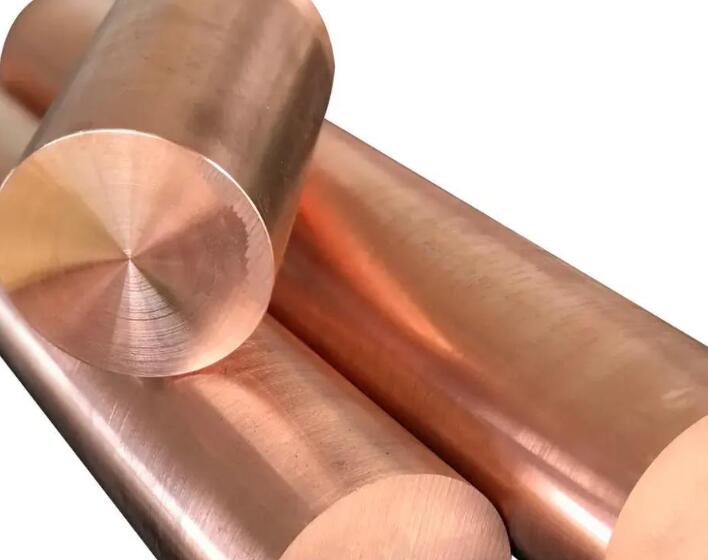
- The high melting points of tungsten and copper make it difficult to alloy them using traditional casting methods.
- Powder metallurgy techniques, such as powder mixing, compaction, sintering, and post-processing, are commonly used to produce copper-tungsten alloys.
Powder Metallurgy Processing:
- Mixing: Ensure uniform distribution of tungsten and copper powders to achieve the desired alloy composition.
- Compaction: Apply pressure to consolidate the mixed powders into a shaped form.
- Sintering: Heat the compacted powder to a temperature below the melting point of the constituents to form a solid alloy.
- Post-processing: Include steps such as cutting, grinding, and polishing to achieve the final shape and size.
Controlling Microstructure and Properties:
- Adjust processing parameters such as sintering temperature, time, and atmosphere to control the microstructure and properties of the alloy.
- Optimize the powder size and shape to improve sintering kinetics and alloy density.
Addressing Material Brittleness:
- Copper-tungsten alloys can be brittle due to the high tungsten content.
- Incorporate additives or modify the processing techniques to improve toughness and ductility.
Quality Assurance and Testing
Non-destructive Testing:
- Use methods such as ultrasonic testing, X-ray inspection, and magnetic particle inspection to detect defects in the alloy.
Mechanical Testing:
- Conduct tensile, compressive, and bending tests to evaluate the mechanical properties of the alloy.
- Measure hardness, wear resistance, and corrosion resistance to ensure compliance with application requirements.
Thermal Testing:
- Evaluate the thermal conductivity, thermal expansion coefficient, and high-temperature stability of the alloy.
Cost Considerations and Efficiency Improvements
Raw Material Costs:
- Tungsten is a relatively expensive metal, which can increase the cost of copper-tungsten alloys.
- Optimize alloy composition and processing techniques to minimize raw material waste.
Processing Efficiency:
- Improve processing efficiency by automating steps such as powder mixing, compaction, and sintering.
- Develop new processing techniques to reduce energy consumption and processing time.
Scrap Management:
- Recycle scrap materials to reduce waste and cost.
- Implement effective scrap management practices to ensure the quality of recycled materials.
In conclusion, overcoming the difficulties in copper-tungsten processing requires a comprehensive understanding of the material’s properties, careful control of processing parameters, and rigorous quality assurance testing. By implementing these strategies, manufacturers can produce high-quality copper-tungsten alloys that meet the demands of various applications.