
Molybdenum-copper (Mo-Cu) alloys, known for their unique combination of high thermal conductivity, low thermal expansion, and excellent electrical properties, are critical materials in industries such as aerospace, electronics, and power generation. This article examines current procurement strategies and market trends for Mo-Cu alloys, providing insights into price dynamics, supply chain management, and future industry directions.
Market Price Dynamics
- Current Pricing Overview
- As of April 2025, molybdenum prices have stabilized after significant volatility in 2024. Key factors influencing prices include global economic conditions, supply chain disruptions, and raw material costs.
- Copper prices, a major component of Mo-Cu alloys, are expected to remain moderate in 2025 due to oversupply concerns and weakened demand from China.
- Price Trend Analysis
- Molybdenum: Prices surged in early 2024 but corrected thereafter. Stability is projected in 2025, with limited upside potential due to supply constraints and weak demand.
- Copper: After peaking in 2024, prices are expected to decline slightly in 2025, reflecting global economic headwinds and supply chain adjustments.
Procurement Strategies
- Supplier Relationship Management
- Diversification: Engage multiple suppliers to mitigate risks associated with geopolitical tensions and supply disruptions.
- Long-Term Contracts: Secure stable supply through long-term agreements with reputable suppliers, especially for critical applications.
- Contract Flexibility
- Price Adjustment Clauses: Include mechanisms for price adjustments based on market fluctuations to avoid cost shocks.
- Quality Assurance: Incorporate stringent quality control clauses to ensure material consistency and performance.
- Inventory Management
- Just-in-Time (JIT): Balance inventory levels to minimize holding costs while ensuring sufficient stock to meet production needs.
- Strategic Reserves: Maintain safety stock for critical applications to hedge against unforeseen supply disruptions.
- Sustainability Considerations
- Ethical Sourcing: Partner with suppliers committed to environmental and social responsibility to align with ESG goals.
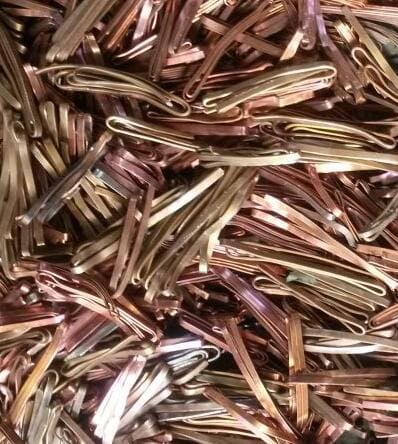
- Recycling Initiatives: Explore closed-loop systems for recycling Mo-Cu scrap to reduce reliance on virgin materials.
Market Trends and Future Outlook
- Demand Growth Drivers
- Aerospace & Defense: Rising global defense spending and advancements in aerospace technology are boosting demand for Mo-Cu alloys in heat sinks, nozzles, and radiation shielding.
- Electronics: Miniaturization trends and the growth of 5G infrastructure are driving demand for Mo-Cu in high-performance connectors and heat dissipators.
- Renewable Energy: The shift towards sustainable energy sources is increasing demand for Mo-Cu in power electronics and thermal management systems.
- Technological Advancements
- Nanomaterials: Development of Mo-Cu nanocomposites with enhanced properties is opening new application avenues.
- Additive Manufacturing: Adoption of 3D printing for complex Mo-Cu components is improving design flexibility and reducing production costs.
- Geopolitical and Policy Influences
- Trade Policies: Protectionist measures and export controls may impact the availability and cost of Mo-Cu alloys.
- Environmental Regulations: Stricter environmental standards are prompting innovations in Mo-Cu production processes and recycling technologies.
The Mo-Cu alloy market is at a critical juncture, shaped by global economic dynamics, technological innovations, and evolving industry demands. Effective procurement strategies must prioritize supplier diversification, contract flexibility, and sustainable practices to navigate market uncertainties. As industries continue to demand high-performance materials, Mo-Cu alloys are poised to play a vital role in driving technological advancements and sustainable growth.