
Molybdenum plates, as a unique material, are gradually emerging as a favorite in mold and parts furnace construction. Here are the distinctive advantages of molybdenum plates in this field:
I. High Melting Point and Exceptional Stability
- High Melting Point: Molybdenum plates have a melting point of up to 2620°C (some sources state 2610°C), making them one of the highest melting metals. This enables molybdenum plates to maintain stability in extreme high-temperature environments, ideal for use in high-temperature furnaces and other equipment.
- Exceptional Stability: Molybdenum plates exhibit remarkable stability under high temperatures, enduring prolonged exposure without deformation or degradation of performance.
II. Excellent Thermal and Electrical Conductivity
- Thermal Conductivity: Molybdenum plates possess outstanding thermal conductivity, enabling them to efficiently transfer heat, maintain uniform temperatures within equipment, and reduce thermal stress on molds and parts.
- Electrical Conductivity: They also boast good electrical conductivity, crucial for ensuring stable current transmission in electronic devices and electrical components.
III. High Strength and Hardness
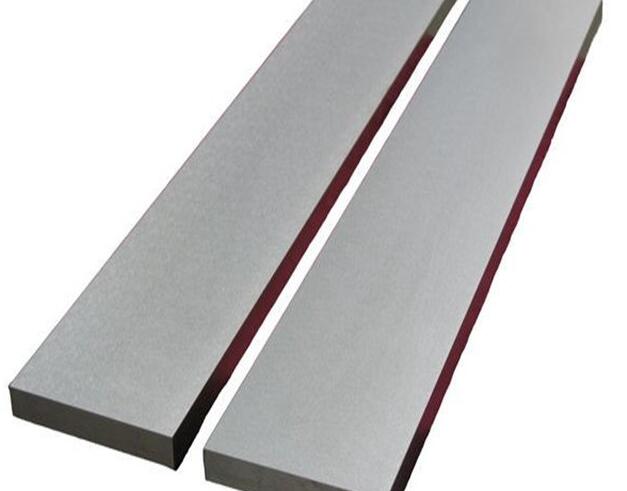
- High Strength: With a high density of 10.2g/cm³, molybdenum plates exhibit excellent mechanical properties, including high strength and tensile resistance, enabling them to withstand heavy loads and complex stresses.
- High Hardness: Their hardness makes them resistant to wear and scratching, extending the service life of molds and parts.
IV. Corrosion Resistance
- High Corrosion Resistance: Molybdenum plates demonstrate good corrosion resistance in various environments, including acidic, alkaline, and high-temperature oxidizing conditions. This advantage is particularly valuable for molds and parts furnace construction where components are exposed to harsh environments for extended periods.
V. Wide Range of Applications
- Mold Manufacturing: Molybdenum plates are used to manufacture high-precision, demanding molds, such as injection molds and die-casting molds. Their excellent thermal conductivity and stability contribute to mold accuracy and longevity.
- Parts Furnace Construction: In parts furnace construction, molybdenum plates are employed to create critical components like furnace chambers and supports. Their high melting point and stability ensure the smooth operation of parts furnaces under high temperatures.
VI. Cases and Trends
- As the manufacturing industry undergoes transformation and upgrading, molybdenum plates are increasingly applied in mold and parts furnace construction. They have become indispensable materials in high-end manufacturing sectors like aerospace, automotive, and electronics.
- Additionally, with the rise of advanced manufacturing technologies like 3D printing, processing and manufacturing of high-performance materials like molybdenum plates have become more flexible and efficient. This supports further applications of molybdenum plates in mold and parts furnace construction.
In summary, molybdenum plates offer unique advantages in mold and parts furnace construction, including high melting point, exceptional stability, excellent thermal and electrical conductivity, high strength and hardness, and corrosion resistance. These advantages position molybdenum plates as a promising material with broad application prospects in high-end manufacturing.