
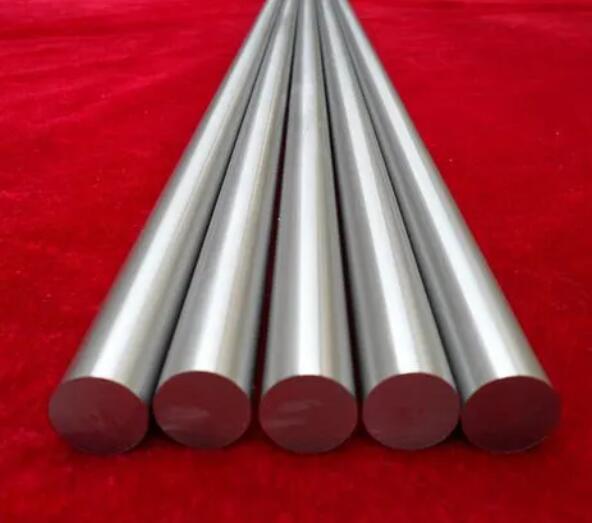
Tungsten rod weaponry, often referred to as kinetic energy weapons or rod penetration weapons, utilizes the high density and hardness of tungsten alloy rods to achieve significant destructive power. The science behind their destruction power involves several key factors:
Material Properties of Tungsten
- High Density: Tungsten has one of the highest densities of all metals, which means it has a high mass per unit volume. This high density translates into high kinetic energy when the rod is accelerated to high speeds, enabling it to penetrate deep into targets.
- Hardness and Toughness: Tungsten alloys are known for their hardness and toughness, which make them resistant to deformation and wear. These properties allow the rod to maintain its shape and integrity during penetration, ensuring maximum energy transfer to the target.
Mechanics of Penetration
- Kinetic Energy Transfer: When a tungsten rod is launched at high speeds, it carries a significant amount of kinetic energy. Upon impacting a target, this kinetic energy is transferred to the target material, causing it to deform, fracture, or even melt.
- Shockwave and Cavitation: The high-speed impact of a tungsten rod can generate a shockwave that travels through the target material, causing widespread damage. Additionally, the rapid expansion of the rod’s tip upon impact can create a cavitation effect, further enhancing its destructive power.
Design and Application
- Rod Shape and Size: The shape and size of the tungsten rod play a crucial role in its penetration capabilities. Typically, rods are designed with a pointed tip to maximize penetration depth and minimize resistance. The diameter and length of the rod also affect its performance, with larger rods generally having greater destructive power but also requiring more energy to accelerate.
- Launch Mechanism: The launch mechanism used to accelerate the tungsten rod can significantly impact its effectiveness. High-speed launchers, such as electromagnetic railguns or gas-powered guns, are commonly used to achieve the necessary velocities for effective penetration.
Destruction Power and Limitations
- Penetration Depth: The penetration depth of a tungsten rod weapon depends on several factors, including the rod’s material properties, shape, size, and launch velocity. In some cases, tungsten rod weapons can penetrate several meters of armor or reinforced concrete.
- Target Type: The type of target also affects the weapon’s performance. For example, softer targets like soil or water may offer less resistance to penetration, while harder targets like steel or reinforced concrete may require higher velocities and more robust rods.
- Limitations: Despite their high destructive power, tungsten rod weapons have limitations. For example, they may be less effective against targets with high thermal resistance or those that can absorb or dissipate the kinetic energy of the rod. Additionally, the high cost and complexity of launch mechanisms can limit their widespread use.
In summary, tungsten rod weaponry leverages the high density and hardness of tungsten alloy rods to achieve significant destructive power. The science behind their destruction power involves the transfer of kinetic energy, shockwave generation, and cavitation effects. However, their effectiveness depends on several factors, including rod shape and size, launch mechanism, and target type. Despite their limitations, tungsten rod weapons remain a powerful option for specific applications in military and defense sectors.