
The price of copper-tungsten is influenced by various factors, which interact to determine its market price. The following is an analysis of the main factors affecting the price of tungsten copper:
Raw Material Costs:
The fluctuations in the market prices of tungsten and copper, as the main components of copper-tungsten alloys, directly impact the price of tungsten copper alloys. When the market prices of tungsten and copper rise, the production costs of copper-tungsten alloys increase, leading to an increase in tungsten copper prices. Conversely, when market prices fall, copper-tungsten prices also decline accordingly.Production Processes and Cost Differences:
Different alloying processes can significantly affect the cost and quality of copper-tungsten alloys. Advanced production processes may improve production efficiency and reduce production costs, but they may also increase costs due to technological investments. These factors contribute to variations in tungsten copper prices.Market Supply and Demand:
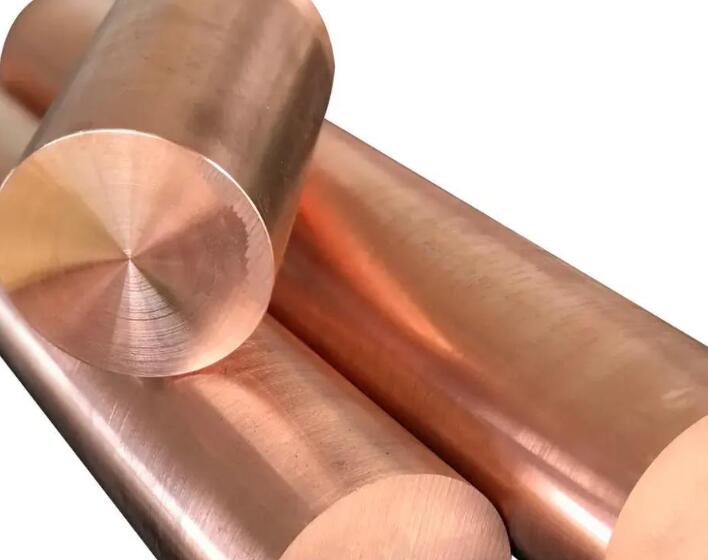
The demand and supply of copper-tungsten alloys in the market also affect their prices. When demand exceeds supply, copper-tungsten prices may rise; conversely, when supply exceeds demand, prices may fall. Additionally, changes in supply and demand are influenced by various factors such as the economic environment, policy adjustments, and industry trends.International Market Conditions:
For overseas markets, copper-tungsten prices are also affected by international market supply and demand, raw material price fluctuations, transportation costs, and international trade policies. Changes in these factors can lead to fluctuations in overseas copper-tungsten prices, which in turn influence price trends in the domestic market.Product Specifications and Quality:
The specifications and quality of copper-tungsten products are also important factors affecting prices. Generally, tungsten copper products with larger specifications and higher quality tend to have higher prices. This is because large-scale, high-quality production requires more raw materials and higher production costs.Policies and Regulations:
Government environmental policies, taxation policies, and industry norms can also impact tungsten copper prices. For example, stricter environmental policies may increase copper-tungsten production costs, thereby pushing up market prices; adjustments to taxation policies may directly affect enterprises’ profitability and market price competitiveness.
In summary, the price of copper-tungsten is influenced by raw material costs, production processes and cost differences, market supply and demand, international market conditions, product specifications and quality, as well as policies and regulations. These factors interact to determine the market price trend of copper-tungsten. Therefore, when predicting and assessing copper-tungsten prices, it is necessary to comprehensively consider the changes in all these factors.