
Molybdenum-copper alloy (Mo-Cu alloy) is a composite material that combines the unique properties of molybdenum and copper. It is known for its high thermal conductivity, excellent electrical conductivity, good mechanical properties, and excellent resistance to arc erosion and welding splashes. Due to these properties, Mo-Cu alloy is widely used in various industries, including electronics, aerospace, and medical equipment.
Current Price Trends of Molybdenum-Copper Alloy
The price of molybdenum-copper alloy fluctuates frequently due to various factors such as market supply and demand, raw material costs, production costs, and international economic situations. As of March 5, 2025, the price of molybdenum-copper alloy varies significantly depending on the specific alloy composition, form (e.g., sheet, rod, wire), and market location.
Price per Jin (Chinese Unit of Measurement)
In Chinese units of measurement, “jin” is commonly used to refer to weight, with 1 jin equaling approximately 0.5 kilograms. To convert the price of molybdenum-copper alloy into per jin terms, we need to consider the current market price per kilogram and then divide by 2.
However, it is important to note that direct pricing information per jin may not be readily available, as most market reports and data are provided in terms of kilograms, tons, or other international units. Nonetheless, we can provide a general overview of the price range and trends.
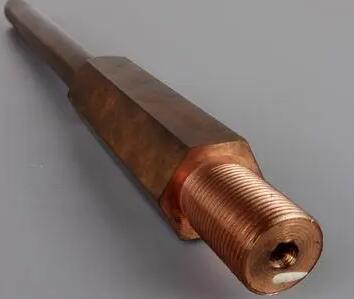
Price Range Overview
Based on recent market data and trends, the price of molybdenum-copper alloy can range from several tens to hundreds of yuan per kilogram, depending on the alloy composition and market conditions. For instance, some reports indicate that the price of domestic molybdenum-copper alloy rods can range from approximately 20,000 to 30,000 yuan per ton, which translates to roughly 20 to 30 yuan per kilogram.
Factors Influencing Price
- Raw Material Costs: The prices of molybdenum and copper, the primary raw materials for Mo-Cu alloy, directly affect the cost of production and thus the final price of the alloy.
- Market Supply and Demand: The balance between supply and demand in the market plays a crucial role in determining prices. An increase in demand or a decrease in supply can lead to price hikes.
- Production Costs: Factors such as energy costs, labor costs, and manufacturing processes can also influence the final price of molybdenum-copper alloy.
- International Economic Situations: Global economic conditions, trade policies, and exchange rates can impact the cost of raw materials and the competitiveness of molybdenum-copper alloy in international markets.
The future price of molybdenum-copper alloy is difficult to predict accurately due to the complexity of influencing factors. However, with the increasing demand for high-performance materials in various industries, such as electronics, aerospace, and medical equipment, the demand for molybdenum-copper alloy is expected to remain strong. This, coupled with potential fluctuations in raw material prices and international economic situations, suggests that the price of molybdenum-copper alloy may continue to exhibit volatility in the coming years.
In summary, the price of molybdenum-copper alloy varies significantly depending on various factors such as alloy composition, form, and market conditions. As of March 5, 2025, direct pricing information per jin may not be readily available, but based on recent market data, the price per kilogram can range from several tens to hundreds of yuan. To obtain the most accurate and up-to-date pricing information, it is recommended to consult relevant market reports, trade statistics, or directly contact suppliers and manufacturers.