
In the realm of industrial materials, molybdenum rods are highly valued for their exceptional melting point, high strength, and good thermal conductivity. However, when these rods are subjected to excessive heating, a phenomenon known as “overheating” or “overburning,” their properties and performance can be severely compromised. This article delves into the causes and effects of overheated molybdenum rods, providing insights into why this occurs and the consequences it entails.
Causes of Overheated Molybdenum Rods
Excessive Heating Temperatures
The primary cause of overheated molybdenum rods is the exposure to temperatures that exceed their low-melting eutectic point. When molybdenum rods are heated above this critical temperature, the low-melting eutectic and grain boundaries begin to remelt, leading to structural degradation.
Prolonged Heating Duration
In addition to high temperatures, prolonged heating durations can also contribute to overheating. The longer the rods are exposed to high temperatures, the greater the risk of structural changes and degradation.
Improper Heating Methods
Improper heating methods, such as uneven heating or the use of inappropriate heating equipment, can lead to localized overheating. This can result in non-uniform temperature distribution within the rods, causing stress and potential structural failure.
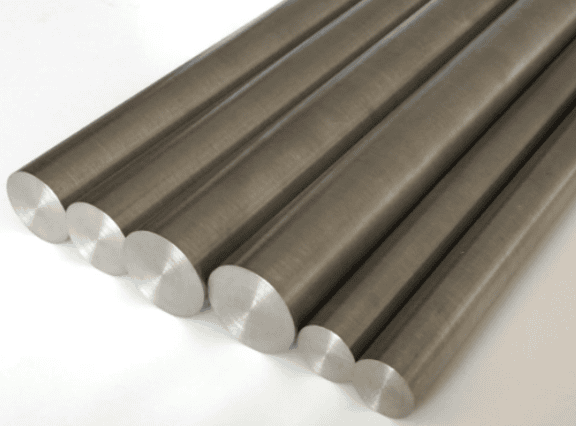
Effects of Overheated Molybdenum Rods
Structural Changes
Overheating causes significant structural changes in molybdenum rods. The grain structure may coarsen, and the grain boundaries may weaken, leading to reduced mechanical properties such as tensile strength and ductility.
Surface Oxidation
At excessively high temperatures, the surface of molybdenum rods can oxidize. This forms a layer of oxide on the surface, which can further degrade the material’s properties and make it more susceptible to corrosion.
Reduced Machining Performance
Overheated molybdenum rods may become difficult to machine due to changes in their hardness and toughness. This can lead to increased tool wear, reduced machining efficiency, and poor surface finish.
Cracking and Brittleness
The weakened grain boundaries and coarsened grain structure make overheated molybdenum rods more prone to cracking and brittleness. This can result in premature failure during use, compromising the reliability and safety of the application.
Waste of Material and Resources
Once a molybdenum rod is overheated, it often cannot be salvaged or reused. This leads to a waste of valuable material and resources, as well as increased costs for replacement.
Mitigation Strategies
To prevent overheating of molybdenum rods, several mitigation strategies can be employed:
Control Heating Temperatures and Durations
Ensure that heating temperatures do not exceed the low-melting eutectic point of molybdenum, and monitor heating durations to avoid prolonged exposure to high temperatures.
Use Proper Heating Methods
Employ heating methods that provide uniform temperature distribution within the rods, such as induction heating or resistance heating.
Inspect and Test Regularly
Regularly inspect and test molybdenum rods for signs of overheating, such as changes in color, texture, or mechanical properties.
Implement Quality Control Measures
Establish and maintain strict quality control measures throughout the manufacturing and processing stages to ensure the integrity and performance of molybdenum rods.
In conclusion, overheating of molybdenum rods is a serious issue that can have detrimental effects on their properties and performance. By understanding the causes and effects of overheating, as well as implementing mitigation strategies, manufacturers and users can ensure the reliability and safety of molybdenum rods in various applications.