
Molybdenum-copper composite, featuring a unique three-layer (sandwich) structure, combines the excellent properties of pure molybdenum and pure copper, exhibiting broad application prospects in electronic device cooling systems. Here is a detailed analysis of its applications in this field:
- High Thermal Conductivity and Excellent Heat Dissipation Performance:
- The upper and lower layers of the molybdenum-copper composite adopt pure copper as the conductive and heat-conductive material. Copper is well-known for its high thermal conductivity, effectively transferring heat from the heat source to the cooling device.
- This structure enables the molybdenum-copper composite to rapidly and efficiently dissipate heat generated inside electronic devices, ensuring stable temperatures during continuous operation.
- Excellent High-Temperature Performance and Low Coefficient of Expansion:
- The middle layer uses pure molybdenum as the core material. Pure molybdenum has a high melting point, maintaining stable performance under high-temperature environments.
- Additionally, molybdenum has a low coefficient of expansion, meaning that the material undergoes minimal volume changes during temperature variations, helping to reduce stress concentration and damage.
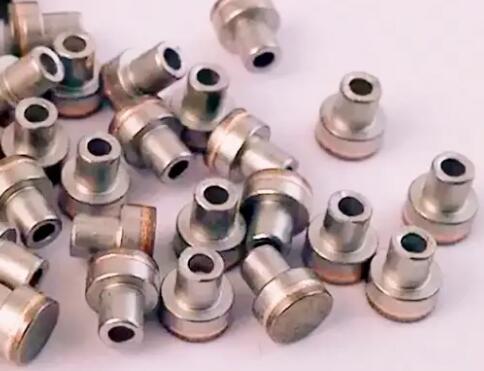
- Applications in Packaging Materials:
- The high thermal conductivity and excellent heat dissipation performance of molybdenum-copper composite make it an ideal choice for packaging materials.
- In high-performance electronic devices such as integrated circuits and microprocessors, packaging materials need to withstand extreme working environments like high temperatures and pressures while maintaining stable performance. Molybdenum-copper composite fulfills these requirements perfectly.
- Production Methods and Cost-Effectiveness:
- Production methods for molybdenum-copper composite include rolling bonding, electrolytic plating, explosive bonding, and other techniques, which can be selected based on different needs and cost considerations.
- Compared to other materials, molybdenum-copper composite offers advantages in performance while maintaining relatively low production costs, making it a cost-effective choice for applications in electronic device cooling systems.
- Future Development Trends:
- As electronic devices continue to evolve and improve in performance, the demand for heat dissipation performance is also increasing. Molybdenum-copper composite, as a high-performance heat dissipation material, will find wider applications in the future.
- At the same time, with continuous advancements in production technology and cost reductions, the competitiveness of molybdenum-copper composite will further strengthen.
In summary, molybdenum-copper composite, with its unique three-layer structure and excellent properties, exhibits broad application prospects in electronic device cooling systems. As electronic devices continue to develop and improve in performance, molybdenum-copper composite will play an increasingly important role in this field.