
Molybdenum, a silvery-white, ductile, and hard transition metal, has been recognized for its exceptional properties that make it indispensable in various industrial applications. Among its many forms, molybdenum plates stand out due to their high melting point, excellent corrosion resistance, and remarkable strength-to-weight ratio. This article aims to assess the machinability of molybdenum plates, focusing specifically on their suitability for industrial applications.
Introduction
Molybdenum plates are often used in high-temperature and high-pressure environments due to their ability to retain strength and hardness at elevated temperatures. They find applications in sectors such as aerospace, automotive, electronics, and medical devices, where precision and durability are paramount. Assessing their machinability is crucial for ensuring efficient and cost-effective manufacturing processes while maintaining the integrity of the final product.
Properties of Molybdenum Plates
Molybdenum plates exhibit several favorable properties that contribute to their machinability:
- High Melting Point: With a melting point of approximately 2623°C, molybdenum plates can withstand extreme temperatures without deformation, making them ideal for high-temperature applications.
- Good Thermal Conductivity: Molybdenum plates have excellent thermal conductivity, allowing heat to dissipate quickly during machining processes, reducing the risk of thermal distortion.
- High Hardness and Strength: The hardness and strength of molybdenum plates make them resistant to wear and tear, enhancing their durability in industrial settings.
- Corrosion Resistance: Molybdenum plates are highly resistant to corrosion, making them suitable for applications involving corrosive environments.
Machinability Assessment
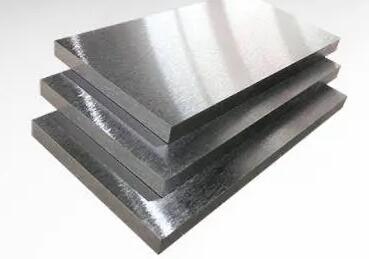
Machinability refers to the ease of cutting, shaping, or forming a material into a desired shape or size without causing excessive wear on the cutting tools or producing unacceptable surface finish. The machinability of molybdenum plates is influenced by several factors, including:
- Tool Material: The choice of cutting tool material is crucial. Tools made from tungsten carbide or cobalt-based alloys are often used due to their hardness and wear resistance.
- Cutting Parameters: Parameters such as cutting speed, feed rate, and depth of cut affect the machinability of molybdenum plates. Optimizing these parameters can significantly improve machining efficiency and surface finish.
- Lubrication and Cooling: Adequate lubrication and cooling are essential to prevent tool wear and thermal distortion during machining. Using suitable cutting fluids can enhance the machinability of molybdenum plates.
- Surface Finish: The surface finish of the machined molybdenum plates is critical for many applications. Achieving a smooth, defect-free surface requires careful control of the machining parameters and the use of appropriate finishing techniques.
Challenges and Solutions
Despite their favorable properties, machining molybdenum plates presents several challenges:
- Tool Wear: The hardness of molybdenum plates can cause rapid wear on cutting tools, increasing manufacturing costs. To mitigate this, using high-quality cutting tools and optimizing cutting parameters are essential.
- Thermal Distortion: The high thermal conductivity of molybdenum plates can lead to thermal distortion during machining. Adequate cooling and lubrication are crucial to maintaining dimensional accuracy.
- Chip Control: Generating and managing chips during machining can be challenging due to the material’s hardness and brittleness. Effective chip control strategies, such as using chip breakers or adjusting cutting parameters, are necessary to ensure smooth machining operations.
Molybdenum plates offer a unique combination of properties that make them highly suitable for various industrial applications. Assessing their machinability involves considering multiple factors, including tool material, cutting parameters, lubrication and cooling, and surface finish. By addressing the challenges associated with machining molybdenum plates, manufacturers can optimize their manufacturing processes, ensuring efficient and cost-effective production of high-quality components for industrial use. As technology advances, new machining techniques and materials will continue to improve the machinability of molybdenum plates, expanding their potential applications even further.