
Tungsten rods, also known as tungsten alloy bars, are metallic rod materials primarily composed of tungsten, boasting a diverse range of types and extensive application fields. Below is a comprehensive analysis of tungsten rod types, from their material composition to their uses.
Material Composition Classification
- Classification by Composition:
- Tungsten-Iron Alloy Rods: Containing approximately 60% tungsten, these rods exhibit high hardness, wear resistance, and impact resistance, making them suitable for manufacturing cutting tools and precision molds.
- Tungsten-Cobalt Alloy Rods: With cobalt content ranging from 6% to 30%, they offer excellent corrosion resistance, wear resistance, and corrosion resistance, commonly used in the production of knives, drills, milling cutters, etc.
- Pure Tungsten Rods: Containing over 99.95% tungsten, they boast high density, strength, and melting point, suitable for high-temperature components and vacuum furnace parts.
- Tungsten-Nickel-Iron Alloy Rods: Produced through powder metallurgy or injection molding, they combine the advantages of tungsten, nickel, and iron, resulting in superior overall performance.
- Tungsten-Copper Alloy Rods: Manufactured by infiltrating copper into tungsten powder, they possess both the wear resistance of tungsten and the electrical and thermal conductivity of copper.
- Classification by Processing Technique:
- Drawn Tungsten Rods: Produced through drawing processes, they exhibit high surface smoothness, suitable for high-temperature components and vacuum furnace parts.
- Sintered Tungsten Rods: Manufactured through sintering, they have a rougher surface and are ideal for cutting tools and precision molds.
Application Classification
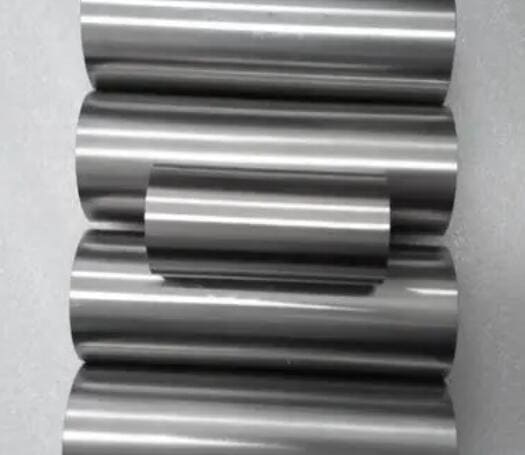
- Cutting Tungsten Rods: Primarily used in the production of cutting tools like knives and blades, renowned for their high hardness and wear resistance.
- Electrode Tungsten Rods: Suitable for making electrodes and vacuum furnace parts, widely applied in electronics and metallurgy.
- Tungsten Wire Rods: When processed into wires, they serve as filaments, support wires, and lead-in wires in lighting and electronics.
- Powder Metallurgy Tungsten Rods: Utilized in the manufacturing of high-strength components and aerospace engine parts due to their exceptional strength and material properties.
Application Fields
Tungsten rods find applications across numerous sectors, including military, defense, aerospace, aviation, marine, lighting, and automotive. For instance, in the military sector, tungsten rods are used for high-speed cutting tools and missile components due to their unique properties like low thermal expansion, good thermal conductivity, high electrical resistivity, and high modulus of elasticity. In lighting, tungsten filaments are crucial components of light bulbs and electronic tubes, renowned for their high-temperature resistance. In aerospace, tungsten rods are employed in engine parts and thermal protection materials.
Tungsten rods, as vital metallic materials, come in various types and serve a wide range of applications. Depending on their composition and processing techniques, tungsten rods can be classified differently. When selecting tungsten rods, it’s essential to consider specific requirements to achieve optimal performance.