
To achieve eco-friendly and non-polluting cleaning solutions for molybdenum plates, we must address several key aspects comprehensively:
1. Green Mining and Processing Techniques
- Selection of Mining Reagents:
- Employ novel, efficient, and non-toxic mining reagents to effectively separate molybdenum from its associated elements, minimizing the use and discharge of harmful substances.
- For instance, replace highly toxic cyanide with non-toxic sodium thioglycolate for mining, eliminating cyanide pollution, safeguarding water quality, and improving working conditions.
- Application of Advanced Processes:
- Utilize intensified roughing, rational regrinding, and deep cleaning processes, along with flotation columns, to enhance molybdenum concentrate grade and recovery rates while reducing energy consumption.
- In crushing and grinding, adopt “more crushing and less grinding” strategies, such as transitioning from traditional three-stage closed-circuit crushing plus ball milling to semi-autogenous grinding (SAG) plus ball milling, to improve process efficiency and reduce energy consumption.
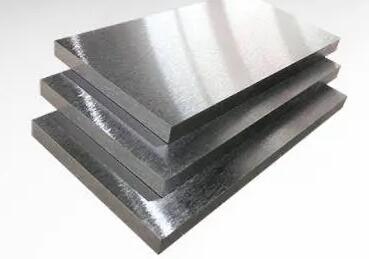
2. Comprehensive Utilization of Tailings and Waste
- Tailings Harmless Treatment:
- Process tailings to -325 mesh particle size for use as soil conditioners or controlled-release fertilizer bases, ensuring “full recovery, zero discharge” of tailings, enhancing mineral resource utilization, and fostering circular mine economies.
- Waste Resource Recovery:
- Enhance waste classification, collection, and processing to increase waste resource utilization rates, minimizing environmental impacts.
3. Clean Production and Energy Conservation
- Clean Production:
- Ensure minimal use of raw materials and energy, adhering to national standards and ensuring the safety of raw and auxiliary materials (i.e., non-toxic, non-polluting, non-hazardous), preventing harm to the environment and humans during product use.
- Prolong product lifespans and facilitate easy recycling post-disposal.
- Energy Conservation:
- Employ energy-efficient equipment and technologies in production to reduce energy consumption and emissions.
- For instance, replace coal-fired drying equipment with novel drying devices based on roasting principles and electromagnetic heating, addressing high energy consumption, costs, and pollution in traditional drying processes.
4. Strengthening Corporate Management and Environmental Protection
- Corporate Management:
- Strengthen corporate management to reduce waste of raw materials and auxiliary materials, lowering waste generation or enhancing its resource recovery.
- Educate operators to strictly follow operating procedures and maintain their posts, ensuring stable and orderly production.
- Environmental Protection:
- Prioritize environmental protection and maintain ecological balance. Strictly treat wastewater, exhaust gas, and solid waste generated during production to meet discharge standards.
- For example, recycle and reuse mining wastewater, deeply treat and recover exhaust gas, and safely dispose of and utilize solid waste.
5. Technological Innovation and Sustainable Development
- Technological Innovation:
- Encourage and support technological innovation to continuously advance and upgrade green and non-polluting cleaning technologies for molybdenum plates.
- Collaborate with universities, research institutes, and other partners to conduct industry-academia-research cooperation, jointly developing eco-friendly cleaning solutions.
- Sustainable Development:
- Integrate the “clean production, green development” philosophy into all aspects of production and operation, establishing long-term mechanisms for ecological and environmental protection.
- Actively participate in national ecological civilization construction, contributing positively to sustainable economic and social development.