
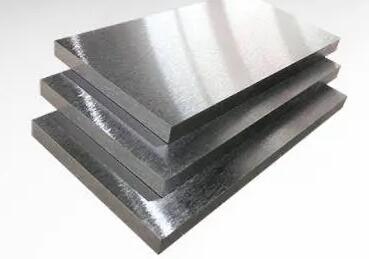
Molybdenum (Mo) plates, known for their high melting point, excellent corrosion resistance, and good thermal and electrical conductivity, are widely used in various industries such as aerospace, electronics, and chemical processing. However, the occurrence of cracks in molybdenum plates can significantly compromise their structural integrity and performance, posing potential safety hazards. This article delves into the causes of cracks in molybdenum plates and discusses effective preventive measures to mitigate this issue.
1. Causes of Cracks in Molybdenum Plates
1.1 Material Defects
Intrinsic material defects, such as inclusions, porosity, and grain boundary cracking, can weaken the mechanical properties of molybdenum plates, making them susceptible to cracking. These defects may arise from impurities in the raw materials or inadequate processing during manufacturing.
1.2 Processing Stress
During the rolling, forging, or heat-treating processes, molybdenum plates can accumulate internal stresses. If these stresses exceed the material’s yield strength, cracks may form. Improper cooling rates or uneven temperature distributions during heat treatment can also contribute to stress-induced cracking.
1.3 Environmental Factors
Exposure to corrosive environments or high-temperature conditions can degrade the surface of molybdenum plates, leading to embrittlement and increased susceptibility to cracking. Additionally, rapid temperature changes (thermal shock) can cause thermal stresses that promote crack initiation.
1.4 Mechanical Loads
Excessive mechanical loads, such as tensile stress, bending, or impact, can exceed the material’s fatigue limit, resulting in crack formation. Poor design or improper installation of molybdenum components can exacerbate these loads.
2. Preventive Measures
2.1 Material Quality Control
Strict quality control measures should be implemented to ensure the purity and homogeneity of raw materials used in the production of molybdenum plates. This includes rigorous testing for inclusions, porosity, and other defects before processing.
2.2 Optimized Processing Techniques
Adopting advanced processing techniques, such as controlled rolling and forging, can minimize internal stresses and improve the material’s microstructure. Heat treatment processes should be carefully monitored to ensure uniform temperature distributions and controlled cooling rates.
2.3 Surface Protection
Applying protective coatings or treatments, such as oxidation-resistant coatings or passivation treatments, can shield molybdenum plates from corrosive environments and high temperatures. Regular inspections and maintenance of coated surfaces are crucial to maintaining their protective properties.
2.4 Design and Installation Considerations
Designing molybdenum components with adequate stress relief features, such as fillets and chamfers, can reduce stress concentrations and prevent crack initiation. Proper installation practices, including the use of appropriate fasteners and joint designs, can further mitigate mechanical loads and prevent cracking.
Cracks in molybdenum plates pose a significant threat to the structural integrity and performance of components in various industries. By understanding the causes of these cracks and implementing effective preventive measures, such as material quality control, optimized processing techniques, surface protection, and design and installation considerations, the occurrence of cracks can be significantly reduced. Continuous research and development in this area are essential to improve the reliability and durability of molybdenum plates, ensuring their safe and effective use in a wide range of applications.