
The properties and characteristics of ring-shaped molybdenum rods have attracted increasing attention due to their potential applications in various fields such as electronics, optics, and materials science. To better understand these materials, it is essential to explore their fundamental properties and characteristics.
Material Composition
Ring-shaped molybdenum crystal rods are primarily composed of molybdenum (Mo), a transition metal element with an atomic number of 42. Molybdenum has a high melting point (2623°C) and a density of 10.28 g/cm³, making it suitable for applications requiring high temperature stability and density.
Crystal Structure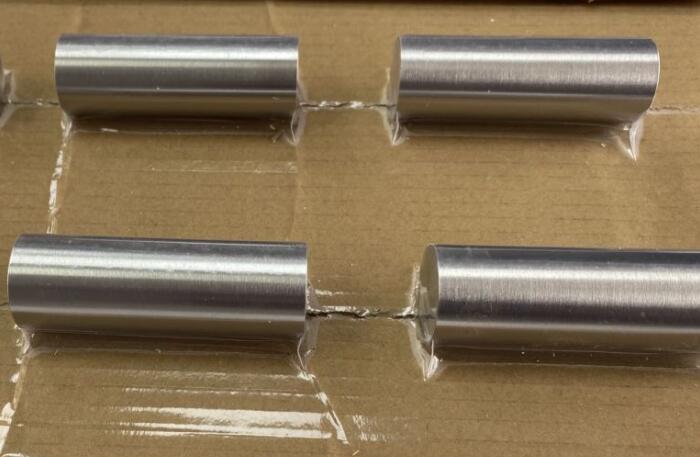
The crystal structure of molybdenum is body-centered cubic (BCC), which contributes to its high mechanical strength and ductility. This crystal structure also allows molybdenum to maintain its shape and integrity under extreme conditions, such as high temperatures and pressures.
Physical Properties
- High Melting Point and Thermal Conductivity: With a melting point of 2623°C, molybdenum can withstand extremely high temperatures. Its thermal conductivity is also excellent, making it an ideal material for applications involving high temperatures and heat transfer.
- Density and Strength: The density of molybdenum is 10.28 g/cm³, providing it with good mechanical strength and weight-bearing capacity. This makes molybdenum suitable for applications requiring high strength-to-weight ratios.
- Electrical and Thermal Resistivity: Molybdenum has a relatively high electrical resistivity and a moderate thermal resistivity, which can be advantageous in certain applications such as electrical heating elements and resistors.
Chemical Properties
- Corrosion Resistance: Molybdenum is highly resistant to corrosion and is stable in many environments, including acids, alkalis, and oxidizing agents. This corrosion resistance makes molybdenum suitable for use in corrosive environments.
- Catalytic Properties: Molybdenum and its compounds exhibit catalytic properties, making it useful in chemical reactions and processes, such as hydrogenation and dehydrogenation.
Applications
- Electronics: Ring-shaped molybdenum crystal rods can be used in electronic devices such as vacuum tubes and semiconductor materials due to their high melting point, thermal conductivity, and electrical resistivity.
- Optics: Molybdenum’s reflective properties and high temperature stability make it suitable for use in optical mirrors and reflectors, particularly in applications involving high temperatures and intense light.
- Materials Science: The unique properties of molybdenum make it an important material for research and development in materials science, including its use in superalloys and high-performance composites.
Manufacturing Processes
The production of ring-shaped molybdenum crystal rods involves several steps, including mining and refining molybdenum ore, melting and casting the metal, and finally shaping and polishing the rods to their final form. Advanced manufacturing techniques, such as single-crystal growth and zone melting, can be used to produce high-quality molybdenum crystal rods with specific properties and characteristics.
Conclusion
In conclusion, ring-shaped molybdenum crystal rods exhibit a range of impressive properties and characteristics that make them suitable for a wide range of applications. From electronics and optics to materials science, molybdenum’s unique combination of physical, chemical, and mechanical properties makes it an invaluable material in many industries. By continuing to explore and refine the manufacturing processes of these materials, we can unlock even more potential uses and applications for molybdenum-based technologies.”