
Tungsten, a dense, gray-white transition metal with the chemical symbol W and atomic number 74, is renowned for its high melting point, hardness, and resistance to corrosion. Due to these unique properties, tungsten rods are widely used in various industries, including aerospace, electronics, and medical applications. However, concerns about the radioactivity of tungsten rods have arisen among some individuals and stakeholders. This article aims to delve into the radioactivity issue of tungsten rods, providing a comprehensive understanding of the subject.
Fundamental Understanding of Radioactivity
Radioactivity refers to the emission of ionizing radiation from unstable atomic nuclei. This process occurs naturally in certain elements, such as uranium and radium, which undergo radioactive decay to become more stable isotopes. The presence of radioactivity can pose health risks if not managed properly, as ionizing radiation can damage living cells and tissues.
Tungsten’s Chemical and Physical Properties
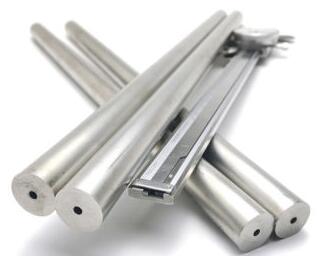
Tungsten is a stable element with no known radioactive isotopes. Its high density, hardness, and resistance to high temperatures make it ideal for a range of applications. Unlike uranium or plutonium, which are naturally radioactive, tungsten does not undergo radioactive decay. Therefore, from a chemical and physical standpoint, tungsten rods should not exhibit radioactivity.
Origins of Tungsten and Potential Contamination
While pure tungsten is non-radioactive, the raw materials used to produce tungsten rods may come from ore deposits that also contain trace amounts of radioactive elements. During the mining and refining processes, these radioactive impurities can potentially contaminate the tungsten. However, modern refining techniques are designed to remove such impurities, ensuring that the final tungsten product is free from significant radioactive contamination.
Testing and Regulation
To address concerns about potential radioactivity in tungsten rods, rigorous testing and regulatory measures are in place. Manufacturers typically conduct comprehensive analysis of their tungsten rods to ensure they meet stringent safety standards. Regulatory bodies, such as those overseeing nuclear and radiological safety, also conduct periodic inspections and audits to ensure compliance with safety regulations.
Applications and Safety Considerations
The non-radioactive nature of tungsten rods makes them suitable for a wide range of applications. In the aerospace industry, they are used in rocket nozzles and gyroscope rotors due to their high density and machinability. In electronics, tungsten rods are employed in vacuum tubes and high-voltage electrodes. Medical applications include the use of tungsten carbide in cutting tools and radiation shielding.
Despite their safety, it is crucial to handle tungsten rods with appropriate care, especially in environments where radioactivity is a concern. This includes using protective equipment, maintaining good ventilation, and following established safety protocols.
In conclusion, tungsten rods are inherently non-radioactive due to the stable nature of the tungsten element. While potential contamination from radioactive impurities during mining and refining processes is a concern, modern refining techniques and rigorous testing ensure that tungsten rods meet stringent safety standards. Therefore, tungsten rods can be safely used in a variety of applications without posing a radioactive risk. Understanding the radioactivity issue of tungsten rods is crucial for ensuring their safe and effective use in various industries.