
The future trends of the automotive industry, particularly the application prospects of molybdenum sheets in lightweight and high-performance vehicle bodies, are highly promising.
Advantages of Molybdenum Sheets
- High Strength and Hardness: Molybdenum and its alloys exhibit remarkable strength and hardness, making molybdenum sheets ideal for components requiring high-stress resistance in vehicle body structures.
- Excellent Corrosion Resistance: Molybdenum sheets possess outstanding corrosion resistance, effectively withstanding various chemical attacks, thereby extending the service life of body structures.
- Superior Thermal Stability: In high-temperature environments, molybdenum sheets maintain stable physical and chemical properties, making them uniquely suited for manufacturing engine components and other high-temperature applications.
Applications of Molybdenum Sheets in Lightweight Vehicle Bodies
- Material Substitution: As automotive lightweighting technology advances, molybdenum sheets can gradually replace some traditional high-density materials (like steel), significantly reducing vehicle weight. This not only enhances fuel economy but also reduces emissions, aligning with environmental requirements.
- Reinforcing Body Structures: While maintaining weight reduction, molybdenum sheets’ high strength ensures body structure rigidity and safety. Through strategic design and material placement, they can enhance collision safety performance without adding weight.
- Enhancing Vehicle Performance: Lightweight bodies facilitate improved acceleration, braking, and handling stability. Molybdenum sheets further amplify these benefits, catering to modern consumer demands.
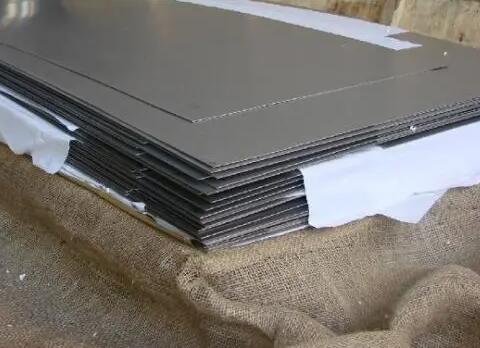
Future Trends
- Technological Innovation and Material Development: With technological advancements, molybdenum sheet production processes and properties will continue to improve. Additionally, the development of new lightweight, high-strength materials will broaden options for automotive lightweighting. Molybdenum sheets may be combined with other lightweight materials (like aluminum alloys, carbon fibers) for even greater lightweighting effects.
- Policy and Market Drivers: Governments worldwide are implementing policies to address climate change and improve energy efficiency, supporting the development of new energy vehicles and lightweight technologies. These policies will expand the market potential for high-performance materials like molybdenum sheets in the automotive industry.
- Collaborative Development Across the Industry Chain: Automotive lightweighting necessitates close cooperation among material suppliers, component manufacturers, and automakers. With coordinated development across the industry chain, molybdenum sheets and other high-performance materials will become more prevalent and deeply integrated into automotive applications.
In conclusion, molybdenum sheets offer promising application prospects in lightweight and high-performance vehicle bodies. As technology progresses and markets expand, molybdenum sheets are poised to play an increasingly significant role in the automotive industry’s future.