
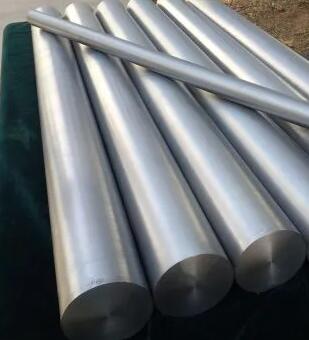
Tungsten rods, a crucial raw material in various industries such as aerospace, electronics, and tooling, have seen significant price fluctuations in recent years. These variations have had profound impacts on the industry, influencing production costs, market competitiveness, and strategic planning. This article delves into the impacts of tungsten rod price fluctuations on industry development and proposes corresponding strategies to navigate these challenges.
Impact of Tungsten Rod Price Fluctuations
1. Production Costs and Profit Margins
Tungsten rod prices directly influence production costs for manufacturers. An increase in tungsten rod prices often leads to higher raw material costs, impacting profit margins. This can be particularly challenging for small and medium-sized enterprises (SMEs) with limited financial buffers. To maintain profitability, companies may need to adjust production volumes, explore cost-saving measures, or seek alternative materials.
2. Market Competitiveness
Price fluctuations in tungsten rods can reshape the competitive landscape within the industry. Manufacturers with access to stable tungsten supplies or those able to absorb cost increases more effectively may gain a competitive edge. Conversely, those unable to do so may face market exit risks or a reduction in market share.
3. Strategic Planning and Investment Decisions
Price volatility in tungsten rods complicates strategic planning and investment decisions. Manufacturers must weigh the risks and benefits of long-term contracts, inventory management strategies, and research and development (R&D) investments in alternative materials or technologies.
4. Supply Chain Management
Tungsten rod price fluctuations affect supply chain dynamics. Manufacturers may need to diversify suppliers, strengthen supply chain resilience, and negotiate better terms with suppliers to mitigate the impacts of price volatility.
Strategies to Navigate Tungsten Rod Price Fluctuations
1. Diversify Supply Sources
To reduce dependency on a single supplier or region, manufacturers should diversify their tungsten rod supply sources. This includes exploring alternative suppliers, investing in domestic or international mining operations, and developing recycling programs to increase the availability of secondary tungsten materials.
2. Strengthen Supply Chain Resilience
Enhancing supply chain resilience through improved logistics, inventory management, and risk mitigation strategies can help manufacturers better cope with tungsten rod price fluctuations. This includes establishing robust supply chain monitoring systems, maintaining flexible production capabilities, and developing contingency plans.
3. Invest in R&D and Alternative Materials
Investing in R&D to explore alternative materials or technologies that can replace tungsten rods can reduce dependency on tungsten and mitigate price fluctuations. Collaboration with research institutions, universities, and other industry players can accelerate innovation and drive the adoption of new materials or technologies.
4. Enhance Cost Management and Efficiency
Improving cost management and operational efficiency can help manufacturers absorb cost increases related to tungsten rod price fluctuations. This includes adopting lean manufacturing practices, optimizing production processes, and implementing energy-efficient technologies.
5. Develop Long-Term Contracts and Hedging Strategies
Entering into long-term contracts with suppliers or using hedging strategies, such as futures contracts, can provide some certainty regarding tungsten rod prices. This can help manufacturers plan production and investments more effectively and reduce the risks associated with price volatility.
Conclusion
Tungsten rod price fluctuations have significant impacts on industry development, affecting production costs, market competitiveness, strategic planning, and supply chain management. To navigate these challenges, manufacturers must adopt a proactive approach, diversifying supply sources, strengthening supply chain resilience, investing in R&D and alternative materials, enhancing cost management and efficiency, and developing long-term contracts and hedging strategies. By implementing these strategies, manufacturers can better cope with tungsten rod price fluctuations and maintain their competitiveness in a volatile market environment.