
A comprehensive analysis of tungsten rod welding process essentials and quality control strategies involves detailed elaboration on pre-welding preparations, welding process control, post-welding treatments, and quality control strategies. The following is a specific breakdown of these aspects:
I. Pre-Welding Preparations
- Material Selection and Preparation
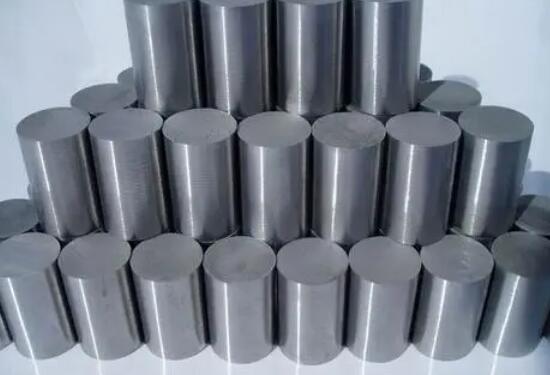
- Tungsten Rod Selection: Tungsten rods, as welding electrodes, directly impact welding outcomes. Ensure the selection of tungsten rods that comply with standards and contain appropriate amounts of tungsten and other alloy elements.
- Base Material Preparation: Ensure the base material (e.g., medium carbon steel or low-alloy steel) is clean and free from impurities such as slag, grease, and oxides. These impurities can negatively affect welding quality. Thoroughly clean the surface using wire brushes, sandpaper, and apply flux to enhance welding quality.
- Equipment Inspection and Adjustment
- Utilize specialized welding equipment suitable for tungsten steel welding and perform a comprehensive inspection to ensure stable and reliable equipment performance.
- Adjust equipment parameters according to welding requirements, such as welding temperature and duration, to ensure precise control during the welding process.
- Welding Environment Preparation
- Ensure good ventilation in the welding area to minimize the impact of harmful gases and fumes generated during welding on operators.
- Prepare necessary personal protective equipment (PPE), such as protective face masks and gloves, to safeguard welders’ health and safety.
II. Welding Process Control
- Temperature Control
- Tungsten steel welding requires high temperatures. Utilize special equipment to control welding temperatures, ensuring that the melting points of the iron piece and tungsten rod are aligned for optimal welding outcomes.
- Continuously monitor temperature during welding to avoid overheating or underheating that can compromise welding quality.
- Welding Time and Speed
- Precisely control welding time, as too short can lead to inadequate welding results, while too long may affect the steel’s mechanical properties.
- Choose an appropriate welding speed based on the welding area and material characteristics to ensure even and smooth welds.
- Welding Method Selection
- Common welding methods for tungsten steel to steel include oxy-acetylene flame brazing, vacuum brazing, arc welding, and inert gas shielded welding. Select the appropriate method based on specific requirements and material properties.
- For large-area or high-demand welding, combine multiple welding methods to improve welding quality and efficiency.
III. Post-Welding Treatments
- Weld Treatment
- After welding, grind and smooth the weld to remove excess filler metal and unevenness, ensuring a flat and aesthetically pleasing appearance.
- Inspect welds for defects such as cracks and pores, and perform necessary repairs.
- Heat Treatment
- Apply heat treatment to the welded steel to enhance its hardness and strength. Control the heat treatment temperature and duration to avoid overheating or insufficient heating that could compromise the treatment’s effectiveness.
IV. Quality Control Strategies
- Establish a Comprehensive Quality Management System
- Develop detailed welding process procedures and quality control standards, specifying quality requirements and inspection methods for each process step.
- Implement a quality responsibility system and reward-punishment mechanism to enhance employees’ quality awareness and sense of responsibility.
- Strengthen Process Monitoring and Inspection
- Implement full-process monitoring during welding to ensure strict adherence to process parameters and operating procedures.
- Enhance pre-welding, in-process, and post-welding quality inspections to promptly identify and address quality issues.
- Upgrade Employee Skills and Competencies
- Regularly conduct job training and skill assessments for welders to improve their theoretical knowledge and operational skills.
- Strengthen quality awareness education to make employees fully understand the significance of welding quality to product quality and performance.
- Introduce Advanced Technologies and Equipment
- Stay informed about industry trends and technological advancements, actively introducing advanced welding technologies and equipment.
- Upgrade existing equipment to improve its performance and stability, meeting the demands of high-quality welding.
In summary, tungsten rod welding process essentials and quality control strategies encompass multiple aspects and stages. By strictly adhering to welding process procedures, strengthening process monitoring and inspection, upgrading employee skills and competencies, and introducing advanced technologies and equipment, we can ensure that tungsten rod welding quality meets expected requirements.