
Molybdenum (Mo), a transition metal with a rich industrial history, has emerged as a cornerstone material in numerous technological advancements. Among its various forms, molybdenum sheets stand out due to their unique blend of physical and chemical properties, making them indispensable in a wide array of industrial applications. This article delves into the specific attributes of molybdenum sheets and explores their unparalleled value across multiple sectors, highlighting how they contribute to innovation, efficiency, and sustainability.
The Unique Properties of Molybdenum Sheets
Molybdenum sheets are characterized by several key properties that set them apart:
High Melting Point and Thermal Conductivity: With a melting point of 2617°C, molybdenum is one of the highest melting metals, making it ideal for applications involving high temperatures. Its excellent thermal conductivity ensures efficient heat transfer, crucial for maintaining optimal operational temperatures in various industrial processes.
Corrosion Resistance: Molybdenum’s ability to form protective oxide films on its surface provides exceptional resistance to corrosion, even in aggressive environments. This property extends the lifespan of components and reduces maintenance requirements.
High Density and Strength: Molybdenum’s high density and mechanical strength make it suitable for applications requiring robust and durable materials. Its hardness and wear resistance further enhance its suitability for components subjected to friction and abrasion.
Good Electrical and Thermal Expansion Properties: Molybdenum’s electrical conductivity and low coefficient of thermal expansion make it an excellent choice for electronic applications, where precise control of electrical and thermal properties is crucial.
Industrial Applications and Unique Value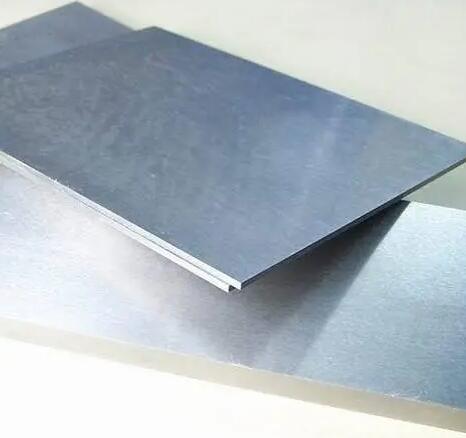
- Aerospace and Defense
- High-Temperature Components: Molybdenum sheets are used in the manufacture of jet engine components, such as nozzles and combustion chambers, due to their ability to withstand extreme temperatures and maintain structural integrity.
- Lightweight Strength: In the pursuit of lighter and more fuel-efficient aircraft, molybdenum sheets offer a high strength-to-weight ratio, making them ideal for structural components.
- Electronics and Semiconductors
- Lead Frames and Contacts: Molybdenum’s electrical conductivity and corrosion resistance make it an excellent material for lead frames and contacts in integrated circuits and other electronic devices.
- Heat Sinks: Its high thermal conductivity and machinability make molybdenum sheets suitable for heat sinks, ensuring efficient heat dissipation in high-power electronics.
- Medical and Biotechnology
- Implants and Surgical Instruments: Molybdenum-based alloys are used in orthopedic implants and surgical instruments due to their biocompatibility, corrosion resistance, and mechanical properties.
- Radiation Shielding: Molybdenum’s high density and ability to absorb radiation make it a valuable material in medical imaging equipment and radiation therapy.
- Energy and Chemical Processing
- Catalyst Supports: In the chemical industry, molybdenum sheets are used as catalyst supports in processes such as hydrogenation and dehydrogenation, enhancing reaction efficiency and productivity.
- Corrosion-Resistant Equipment: Their corrosion resistance makes molybdenum sheets ideal for equipment in harsh environments, such as desalination plants and chemical reactors.
- Glass and Ceramic Industries
- Electrode Materials: Molybdenum sheets are used as electrodes in glass melting furnaces and ceramic sintering processes, thanks to their high temperature stability and electrical conductivity.
- Furnace Components: They are also used in the manufacture of furnace components, such as heaters and insulation, ensuring efficient and reliable operation.
Conclusion
Molybdenum sheets, with their unique combination of properties, offer unparalleled value across multiple industrial sectors. Their high melting point, corrosion resistance, strength, and electrical conductivity make them indispensable in applications ranging from aerospace and defense to electronics, medical technology, and energy production. As industries continue to evolve and demand more efficient, durable, and sustainable materials, molybdenum sheets will undoubtedly play a pivotal role in driving innovation and progress. Their versatility and adaptability ensure that they remain a cornerstone of modern industrial technology, contributing to the advancement of various fields and enhancing the quality of life for millions worldwide.