
Molybdenum plates, known for their exceptional properties at high temperatures, have become indispensable materials in various industries such as aerospace, electronics, and chemicals. Their unique blend of wear resistance, corrosion resistance, and high melting point makes them ideal for applications where conventional materials falter. This article delves into the wear resistance and service life of molybdenum plates, exploring the factors that influence their durability and performance.
Wear Resistance of Molybdenum Plates
Molybdenum (Mo) exhibits remarkable wear resistance, a characteristic that stems from its high hardness and good mechanical properties. This metal maintains its physical attributes even under extreme conditions, resisting significant hardening, deformation, or wear. The wear resistance of molybdenum plates is further enhanced by their ability to withstand high temperatures and chemical attacks, making them suitable for environments where friction and abrasion are prevalent.
The wear mechanisms of molybdenum plates can be categorized into several types, including adhesive wear, abrasive wear, and corrosion-induced wear. Adhesive wear occurs when two surfaces come into contact and materials are transferred between them due to friction. Abrasive wear, on the other hand, involves the gradual removal of material from the surface due to the action of hard particles or surfaces. Corrosion-induced wear occurs when the material is attacked by chemicals, leading to the deterioration of its surface.
Molybdenum plates are designed to minimize these wear mechanisms. Their high hardness and smooth surface finish reduce the likelihood of adhesive wear, while their corrosion resistance protects against chemical attacks. Additionally, the use of appropriate lubricants and coatings can further enhance their wear resistance.
Factors Influencing Service Life
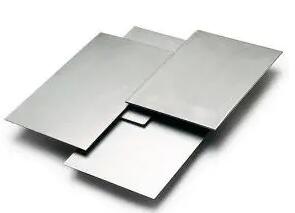
The service life of molybdenum plates is determined by a multitude of factors, including temperature, pressure, environmental conditions, and the specific application.
Temperature: Molybdenum plates maintain their properties up to very high temperatures, typically around 2900°C. However, their service life decreases as the temperature increases. At temperatures above 1500°C, the wear rate accelerates due to the increased thermal stress and potential for oxidation.
Pressure: High pressures can lead to increased mechanical stress on the molybdenum plates, accelerating wear and reducing their service life. Proper support structures and stress relief techniques are essential to mitigate these effects.
Environmental Conditions: Exposure to corrosive environments or chemicals can degrade the surface of molybdenum plates, reducing their wear resistance and service life. Selecting the right alloy composition and applying protective coatings can enhance their corrosion resistance.
Application-Specific Factors: The specific application, such as use in molds, vacuum furnace linings, or electronic components, can also influence the service life of molybdenum plates. Different applications impose varying demands on the material, necessitating tailored designs and processing techniques.
Extending Service Life
To maximize the service life of molybdenum plates, several strategies can be employed:
- Selection of High-Quality Material: Choosing molybdenum plates that meet or exceed industry standards ensures their durability and reliability.
- Optimized Processing Techniques: Proper processing, including powder metallurgy, rolling, forging, and polishing, can enhance the material’s properties and extend its service life.
- Control of Operating Conditions: Maintaining optimal temperatures and pressures within the material’s limits reduces wear and prolongs service life.
- Regular Inspection and Maintenance: Regular inspections and timely replacements of worn-out parts prevent catastrophic failures and ensure continuous operation.
Conclusion
Molybdenum plates offer exceptional wear resistance and service life in a wide range of applications. Their durability is influenced by multiple factors, including temperature, pressure, environmental conditions, and the specific application. By understanding these factors and employing strategies to mitigate their impact, the service life of molybdenum plates can be maximized. With their unique combination of properties, molybdenum plates continue to be a cornerstone material in numerous industries, driving innovation and efficiency in high-performance applications.