
Molybdenum sheets, as a crucial material in the fields of high-temperature alloys, electronics, and energy conversion, have seen significant advancements in recent years. The emergence of innovative molybdenum sheet technology has not only pushed the boundaries of materials science but also opened new avenues for industrial applications and technological progress.
Here are some key aspects of innovative molybdenum sheet technology that are serving as a new driving force for materials science development:
1.) Enhanced Material Properties
Through the use of advanced manufacturing techniques, innovative molybdenum sheet technology has achieved significant improvements in material properties. This includes increased purity, improved thermal and electrical conductivity, enhanced corrosion resistance, and superior mechanical strength. These enhanced properties make molybdenum sheets more suitable for demanding applications in high-temperature environments, such as aerospace and nuclear power.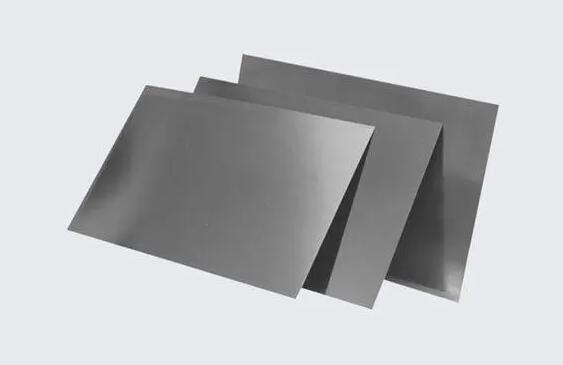
2. )Thinner and Lighter Sheets
The development of thinner and lighter molybdenum sheets is a significant breakthrough in materials science. Through precision rolling and advanced metallurgical processing, it is now possible to produce molybdenum sheets with thinner gauges and lighter weights. This reduction in thickness and weight not only enhances the material’s performance but also makes it more suitable for weight-sensitive applications such as aircraft and spacecraft components.
3. )Improved Processing Techniques
Innovative molybdenum sheet technology has also led to the development of improved processing techniques. These techniques include advanced cutting, shaping, and joining methods that allow for more precise and efficient manufacturing of molybdenum sheet-based components. The use of laser cutting, waterjet cutting, and precision forming techniques enables the production of complex shapes and geometries with high accuracy and reproducibility.
4. )Enhanced Surface Finishes
The surface finish of molybdenum sheets plays a crucial role in their performance and durability. Innovative molybdenum sheet technology has resulted in the development of enhanced surface finishes that improve the material’s corrosion resistance, reduce surface roughness, and enhance its overall aesthetics. These finishes can be achieved through various surface treatment methods, such as polishing, coating, and sputtering.
5.) Integration with Advanced Technologies
The integration of molybdenum sheet technology with advanced materials and technologies has opened new horizons for materials science development. For instance, the combination of molybdenum sheets with ceramics or composites has led to the creation of hybrid materials with exceptional properties. Additionally, the integration of molybdenum sheets with nanotechnology has resulted in the development of novel nanostructures and nanocomposites with enhanced functionalities.
6.) Sustainability and Environmental Considerations
Innovative molybdenum sheet technology is also focused on sustainability and environmental considerations. The development of recycling and waste reduction techniques for molybdenum sheets is crucial in reducing the environmental impact of their manufacturing and disposal. Additionally, the use of renewable energy sources and energy-efficient manufacturing processes contribute to the overall sustainability of the molybdenum sheet industry.
In conclusion, innovative molybdenum sheet technology is a new driving force for materials science development. It has led to significant advancements in material properties, processing techniques, surface finishes, and integration with advanced technologies. These innovations not only enhance the performance and durability of molybdenum sheets but also open new avenues for their application in various industrial sectors. As research and development continue, further innovations in molybdenum sheet technology are expected to drive materials science forward.