
molybdenum copper etching technology, as an innovative process for fine pattern fabrication, combines the high conductivity and ductility of copper with the high melting point and strength of molybdenum, ushering in new possibilities in the field of metal processing. Below is a detailed analysis of this technology:
I. Technology Overview
molybdenum copper etching technology utilizes chemical or electrochemical methods to create intricate patterns on the surface of copper or molybdenum metals. By selectively removing material from the metal surface, the desired patterns or text are left behind, making it widely applicable in art creation, electronics manufacturing, precision instrument processing, and more.
II. Technical Principles
The core principle of molybdenum copper etching technology lies in chemical etching, where a protective film (such as resist oil, wax, or tape) is applied to the metal surface. The unprotected areas are then exposed to an etchant, causing them to be etched away, leaving behind the desired pattern or text. For difficult-to-process metals like molybdenum, more complex etching processes like electrochemical etching or laser-assisted etching may be employed.
III. Process Flow
The process flow of molybdenum copper etching technology generally includes the following steps:
- Pattern Design: Design the desired pattern or text, which can be done using computer-aided design software or manually drawn onto the metal plate.
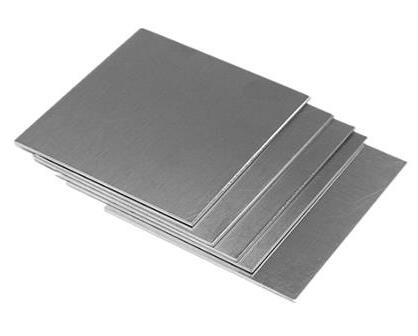
- Metal Plate Preparation: Cut the molybdenum copper plate to the required size and shape, and perform surface treatment such as polishing and cleaning to remove impurities and oxides.
- Protective Film Application: Apply a protective film (e.g., resist oil, wax, or tape) to the areas where etching is not desired, protecting them from the etchant.
- Etching Process: Immerse the metal plate with the protective film into an etchant. The type and concentration of the etchant depend on specific requirements. For metals like molybdenum, special etchants or etching conditions may be necessary.
- Cleaning and Post-Processing: After etching, remove the metal plate from the etchant and clean it to remove any residual etchant and protective film.
- Finishing and Decoration: Further refine and decorate the etched metal plate, such as through polishing, glazing, or plating, to enhance its aesthetics and durability.
IV. Technical Advantages
- High Precision: molybdenum copper etching technology achieves high-precision pattern fabrication, meeting the demands of precision processing.
- Flexibility: The technology is versatile, accommodating various patterns and text designs.
- Durability: The etched patterns and text exhibit excellent wear and corrosion resistance, maintaining clarity over time.
- Wide Applicability: Beyond copper and molybdenum, this technology can be extended to the processing of other metal materials.
V. Application Fields
molybdenum copper etching technology finds extensive applications in:
- Art Creation: Producing exquisite copper sculptures, plaques, and other artworks with high artistic value and visual appeal.
- Electronics Manufacturing: Fabricating critical components like circuit boards and chips in electronic products.
- Precision Instrument Processing: Manufacturing precision parts and components for various precision instruments.
- Other Fields: Including souvenir and badge production, where molybdenum copper etching technology enables the creation of intricate patterns.
In conclusion, molybdenum copper etching technology, as an innovative process for fine pattern fabrication, boasts advantages such as high precision, flexibility, durability, and wide applicability, promising a bright future in the metal processing industry.