
Molybdenum copper are critical industrial metals, widely used in electronics, aerospace, and manufacturing. With increasing environmental concerns and resource scarcity, efficient recycling of molybdenum copper has become imperative. This article reviews current recycling technologies, challenges, and recent advances in molybdenum and copper recovery.
1. Introduction
Molybdenum copper are essential metals in modern industry. Molybdenum, known for its high melting point and corrosion resistance, is used in alloys, electrodes, and catalysts. Copper, with excellent electrical and thermal conductivity, is vital in electronics, construction, and heat exchangers. The growing demand for these metals, coupled with environmental pressures, necessitates innovative recycling strategies to ensure sustainable resource utilization.
2. Molybdenum Recycling Technologies
Molybdenum recycling primarily focuses on recovering molybdenum from spent alloys and catalysts. Common techniques include:
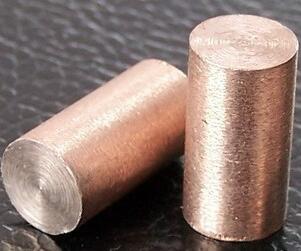
- Chemical Activation Sintering: Enhances sintering activity by adding nickel, improving material density but reducing conductivity.
- Mechanical Alloying: Introduces impurities, improving sintering but compromising material properties.
- Oxide Co-reduction: Complex process with low efficiency, limiting large-scale application.
Recent advances involve the use of novel inhibitors like D128 and D109 in flotation processes, significantly improving molybdenite recovery from copper ores.
3. Copper Recycling Technologies
Copper recycling aims to recover copper from industrial waste, electronic scrap, and etching solutions. Key methods include:
- Hydrometallurgical Processes: Utilize leaching and solvent extraction to recover copper from complex wastes. A novel precipitation titration method using AgCl in aqueous methanol effectively removes chloride contaminants from cupric oxide.
- Pyrometallurgical Techniques: Employ high-temperature processes to separate and refine copper from scrap.
Advanced research focuses on coordination chemistry-based hydrometallurgy, enhancing copper recovery from heterogeneous e-waste.
4. Technical Challenges and Solutions
- Molybdenum Recovery:
- Challenge: Difficulty in separating molybdenum from copper in ores.
- Solution: Development of new inhibitors and optimized flotation circuits.
- Copper Recycling:
- Challenge: Removal of impurities like chloride from recycled copper.
- Solution: Precipitation titration and advanced leaching processes.
5. Recent Advances in Research
- Ore Enrichment Technology: Advanced two-stage comminution and collective flotation cycles improve copper-molybdenum ore processing efficiency.
- E-waste Recycling: Coordination chemistry-supported hydrometallurgy shows promise in enhancing copper recovery from electronic waste.
Efficient recycling of molybdenum copper is crucial for sustainable resource management. While challenges persist, ongoing research in novel inhibitors, advanced leaching methods, and coordination chemistry is paving the way for improved recovery rates. Future efforts should focus on scaling up laboratory successes and integrating them into industrial practices to meet the growing demand for these critical metals.