
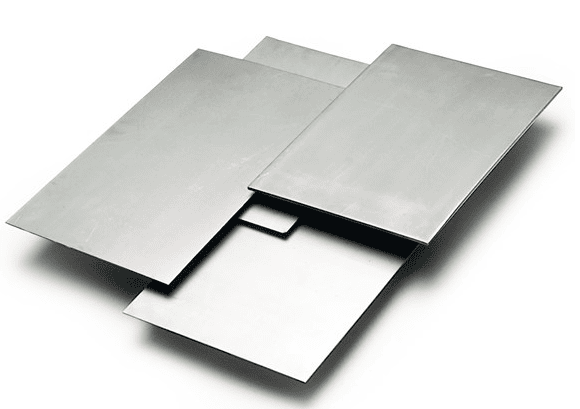
Molybdenum Plates, as a high-performance material, exhibit exceptional antioxidant properties. Below is a detailed discussion on molybdenum plates as a durable solution against oxidation.
I. Antioxidant Properties of Molybdenum Plates
Molybdenum (Mo), with an atomic number of 42 and a chemical symbol of Mo, is a chemically stable metallic element. Its compounds and the metal itself possess outstanding antioxidant properties at high temperatures, thanks to its high melting point of 2623°C and high thermal stability. In high-temperature environments, molybdenum plates can form a dense oxide protective film, effectively preventing further oxygen erosion and thereby extending the material’s service life.
II. Application Fields of Molybdenum Plates
Aerospace Industry: In the aerospace sector, molybdenum plates are widely used in engine components, thermal protection systems, and high-temperature structural parts due to their excellent antioxidant properties and high-temperature stability. These components operate in extreme high-temperature and high-pressure environments, and molybdenum plates meet these demanding requirements.
Electronics Industry: In the electronics industry, molybdenum plates are used as sputtering targets for manufacturing liquid crystal displays (LCDs) and thin-film transistors (TFTs) for other electronic devices. The high electrical and thermal conductivity of molybdenum plates make them irreplaceable in the manufacturing process of electronic devices.
Metallurgical Industry: In the metallurgical industry, molybdenum plates are used as alloying elements in high-strength steel to improve its toughness and wear resistance. Additionally, molybdenum plates are used in the manufacture of anticorrosive coatings and alloy products to meet the demand for high-performance materials in various industries.
Chemical Industry: In the chemical industry, molybdenum plates are widely used in various chemical equipment and piping due to their corrosion resistance. Especially in situations involving high temperatures, high pressures, and corrosive media, molybdenum plates demonstrate outstanding durability and reliability.
III. Preparation Processes of Molybdenum Plates
The preparation processes of molybdenum plates typically include pressing, sintering, rolling, and heat treatment. Advanced preparation processes can yield molybdenum plates with high purity, high density, and excellent mechanical properties. Additionally, to meet the performance requirements of molybdenum plates in different fields, further improvements can be made by adding other alloy elements or performing surface treatments.
IV. Advantages of Molybdenum Plates
- Excellent Antioxidant Properties: They can form a dense oxide protective film at high temperatures, effectively preventing oxygen erosion.
- High Thermal Stability and High Melting Point: They maintain stable performance in extreme high-temperature environments.
- Good Mechanical and Processing Properties: They are easy to process into various shapes and sizes to meet the needs of different fields.
- Corrosion Resistance: They maintain stable performance in corrosive media, extending the service life of equipment.
In summary, Molybdenum Plates, as a high-performance material, exhibit exceptional antioxidant properties. With their outstanding antioxidant properties, high thermal stability, and good mechanical properties, molybdenum plates have been widely used in various fields such as aerospace, electronics, metallurgy, and chemicals. As technology continues to advance and industrialization accelerates, the application prospects for molybdenum plates will become even broader.