
In the realm of advanced materials engineering, the pursuit of high strength, coupled with excellent durability and resilience, has led to the exploration of innovative processing techniques. One such breakthrough is the low-temperature rolling of molybdenum rods, a process that is revolutionizing the production of ultra-high-strength materials.
Molybdenum (Mo), a refractory metal renowned for its high melting point, exceptional thermal conductivity, and remarkable strength-to-weight ratio, has long been a staple in a variety of industries ranging from aerospace to energy production. However, the traditional methods of processing molybdenum into desired shapes and forms, often involving high-temperature processing, could compromise its mechanical properties and increase production costs.
Enter cold rolling, a technique that involves the deformation of metal at or below its recrystallization temperature, resulting in a more refined grain structure and significantly enhanced mechanical properties. When applied to molybdenum rods, low-temperature cold rolling becomes a game-changer, enabling the creation of materials with exceptional strength, hardness, and resistance to wear and corrosion.
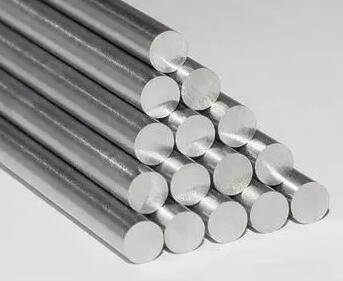
The key to this process lies in the precise control of temperature, pressure, and speed during rolling. By maintaining the molybdenum rods at a carefully selected low temperature, the material can be deformed without triggering recrystallization, preserving its original grain boundaries and promoting the formation of a dense, fine-grained microstructure. This, in turn, leads to a significant increase in strength and ductility, making the resulting molybdenum products ideal for demanding applications where high performance is paramount.
Moreover, the cold rolling process also improves the surface finish of molybdenum rods, reducing roughness and enhancing their overall aesthetic appeal. This is particularly advantageous in industries where material appearance is a critical factor, such as in the production of medical implants, high-precision instruments, and aerospace components.
The implementation of low-temperature molybdenum rod cold rolling not only represents a technological leap forward but also aligns with the global trend towards sustainable manufacturing practices. By minimizing energy consumption and reducing waste, this process contributes to a greener, more environmentally-friendly production process.
In conclusion, the low-temperature rolling of molybdenum rods represents a true low-temperature miracle in the world of high-strength materials. By harnessing the unique properties of molybdenum and combining them with the precision of cold rolling technology, engineers are able to craft materials that push the boundaries of what is possible, opening up new avenues for innovation and progress across a wide range of industries.