
In the rapidly evolving energy landscape, materials with exceptional properties play a pivotal role in ensuring efficiency, durability, and sustainability. Molybdenum (Mo), a refractory metal with a melting point of 2610°C and a body-centered cubic structure, stands out due to its high temperature stability, corrosion resistance, and good electrical and thermal conductivity. In particular, molybdenum thin sheets have found widespread applications in the energy industry, particularly in sectors demanding high-performance materials. This article explores the solutions offered by molybdenum thin sheets within the energy sector, highlighting their unique attributes and the innovative methods employed in their production.
Unique Properties of Molybdenum Sheets
Molybdenum sheets exhibit exceptional mechanical properties, including high tensile strength, creep resistance, and good ductility, especially at elevated temperatures. These properties make molybdenum sheets ideal for components exposed to extreme conditions, such as those in nuclear reactors, aerospace engines, and high-temperature furnaces. Their resistance to thermal fatigue and ability to retain strength at high temperatures make them indispensable in environments where conventional materials would fail.
Applications in the Energy Industry
Nuclear Energy: Molybdenum sheets are extensively used in nuclear reactors due to their low neutron absorption cross-section and high resistance to radiation damage. They are employed in fuel element cladding, control rods, and structural components, ensuring the safe and efficient operation of nuclear power plants.
Aerospace: In the aerospace industry, molybdenum sheets are critical for components requiring lightweight, high-strength materials. They are used in jet engine components, spacecraft structures, and missile systems, where their ability to withstand high temperatures and maintain mechanical integrity is paramount.
Solar Energy: The solar industry benefits from molybdenum sheets’ excellent electrical conductivity and thermal stability. They are used in solar panels and concentrated solar power systems, facilitating efficient energy conversion and transfer.
Petrochemical and Refining: In the petrochemical and refining industries, molybdenum sheets are valued for their corrosion resistance and high-temperature performance. They are used in heat exchangers, reactors, and piping systems, ensuring the safe and efficient processing of hydrocarbons.
Innovative Production Methods
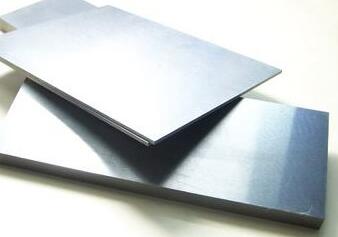
The production of large-scale, high-quality molybdenum sheets poses significant challenges due to the metal’s high melting point and brittle nature at room temperature. Traditional methods, such as rolling and annealing, are limited by the size of the heating furnaces and the difficulty in maintaining uniform heating across the material. To overcome these limitations, advanced manufacturing techniques have been developed:
Ultra-Large Scale Rolling Mills: The use of six-roll reversible rolling mills, equipped with transport rollers and heating zones on both the entry and exit sides, allows for the production of molybdenum sheets of unprecedented size and quality. This technology enables continuous rolling and annealing, significantly improving production efficiency and material properties.
Heat Treatment and Annealing: The implementation of precision heat treatment and annealing processes ensures optimal microstructural development, enhancing the mechanical and thermal properties of the molybdenum sheets. These processes are carefully controlled to minimize defects and achieve consistent material quality.
Automated Production Lines: The integration of automation and robotics in production lines further improves precision and reduces manual handling, enhancing productivity and safety.
Conclusion
Molybdenum sheets offer unique solutions for the energy industry, addressing the demands for high-performance materials in nuclear, aerospace, solar, and petrochemical applications. The development of advanced manufacturing techniques, such as ultra-large scale rolling mills and precision heat treatment processes, has enabled the production of large-scale, high-quality molybdenum sheets, overcoming the limitations of traditional methods. As the energy industry continues to evolve, molybdenum sheets will play an increasingly critical role in ensuring the efficiency, durability, and sustainability of energy systems worldwide. By leveraging the exceptional properties of molybdenum and embracing innovative production methods, the energy industry can harness the full potential of this remarkable material.