
In the realm of advanced materials, molybdenum (Mo) has emerged as a standout due to its unique properties and versatility. Among its myriad applications, molybdenum sheets have found particular favor in the manufacturing of high-temperature furnaces and vacuum furnaces, where they excel due to their resistance to extreme temperatures, corrosion, and the ability to maintain structural integrity under demanding conditions.
The Unique Properties of Molybdenum Sheets
Molybdenum is a refractory metal renowned for its high melting point (2623°C), excellent thermal conductivity, and low coefficient of thermal expansion. These properties make it an ideal candidate for applications requiring sustained exposure to high temperatures while maintaining mechanical strength and stability.
Moreover, molybdenum sheets exhibit exceptional resistance to oxidation at temperatures up to 1600°C in inert or reducing atmospheres. This resistance is crucial in vacuum furnace applications, where minimizing oxide formation is essential to maintain the purity and quality of processed materials.
Applications in High-Temperature Furnaces
High-temperature furnaces are used in various industries, including aerospace, ceramics, glassmaking, and metallurgy, for processes such as sintering, annealing, and heat treatment. Molybdenum sheets are often employed as heating elements, furnace linings, and structural components due to their ability to withstand temperatures far exceeding those of traditional materials like nickel-chromium alloys or graphite.
In these applications, molybdenum’s high density and good electrical conductivity ensure efficient heat generation and uniform temperature distribution within the furnace chamber. This leads to more consistent processing outcomes and reduced energy consumption.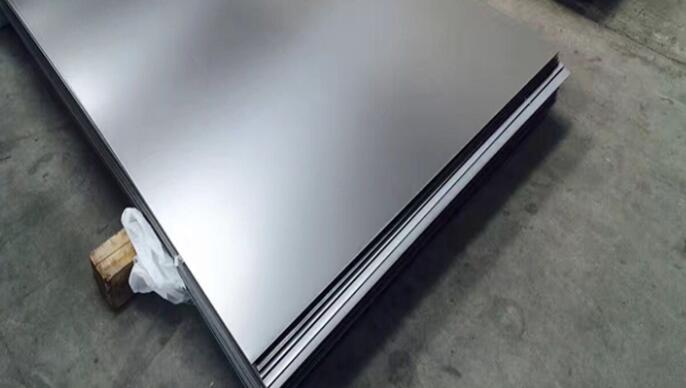
Applications in Vacuum Furnaces
Vacuum furnaces operate under low or ultra-low pressure conditions to eliminate the presence of oxygen and other contaminants, which can adversely affect the properties of materials being processed. Molybdenum sheets are a preferred material for vacuum furnace components such as heating elements, supports, and shields because of their high vacuum compatibility and resistance to sublimation (the process by which a solid directly transitions to a gas without passing through a liquid phase).
The low vapor pressure of molybdenum at elevated temperatures minimizes outgassing, preserving the vacuum environment and ensuring the integrity of the processed materials. This is particularly critical in applications such as brazing, sintering of ceramics and composites, and heat treatment of high-performance alloys.
Advantages Over Alternative Materials
Compared to other refractory metals and materials used in high-temperature and vacuum furnace applications, molybdenum sheets offer several advantages:
Higher Melting Point: Molybdenum’s melting point is significantly higher than that of tungsten (another commonly used refractory metal), allowing it to withstand extreme temperatures without melting.
Corrosion Resistance: Molybdenum exhibits superior corrosion resistance in both oxidizing and reducing atmospheres, enhancing its durability and lifespan in furnace applications.
Good Machinability: Molybdenum sheets can be easily machined into complex shapes and sizes, providing flexibility in design and fabrication of furnace components.
Cost-Effectiveness: While molybdenum is more expensive than some base metals, its long-term performance and reliability often offset the initial cost, making it a cost-effective solution in the long run.
Molybdenum sheets have firmly established themselves as the material of choice for high-temperature furnaces and vacuum furnaces. Their combination of high temperature resistance, corrosion resistance, and vacuum compatibility makes them indispensable in industries requiring precise control over processing conditions and material properties. As technological advancements continue to push the boundaries of material processing, molybdenum sheets will undoubtedly play a pivotal role in meeting the demands of tomorrow’s high-performance applications.