
I. Basic Overview of copper-tungsten Alloy
copper-tungsten alloy is a composite material made from tungsten (W) and copper (Cu) through special processes. It combines the high melting point, high density, and high hardness of tungsten with the high electrical and thermal conductivity of copper, making it an ideal choice for numerous high-performance applications. The copper content in common alloys ranges from 10% to 50%, but the tungsten content can also reach 30% to 95% depending on specific application requirements.
II. Precise Specifications
copper-tungsten alloy comes in various specifications to meet the needs of different industries. Here are some common examples:
- Round Bars: Diameter ranges from Φ2mm to Φ60mm, with lengths ranging from 100mm to 550mm.
- Square Billets: Dimensions range from (6-120)mm × (10-250)mm × (100-350)mm.
Different manufacturers and product series may have specific designations, such as WCu-80, WCu-75, WCu-70, which typically represent the specific ratio of tungsten to copper in the alloy.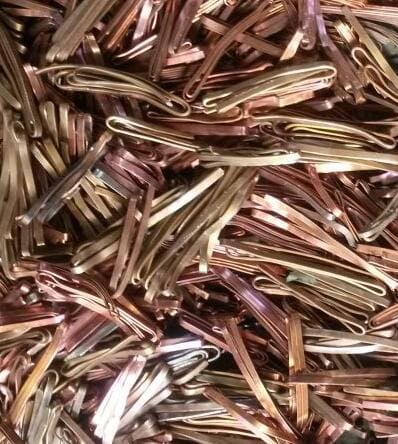
III. Performance Advantages
- Ultra-High Strength and Hardness:
- copper-tungsten alloy boasts extremely high tensile strength and hardness, several times that of ordinary metals. This allows it to withstand greater pressures and resist wear and tear.
- Excellent Electrical and Thermal Conductivity:
- The alloy has even better electrical conductivity than pure copper, reducing resistance and enhancing equipment efficiency. Its thermal conductivity is also outstanding, effectively dissipating heat and maintaining stable operation.
- Superior High-Temperature Performance:
- At extremely high temperatures, tungsten copper alloy exhibits low thermal expansion coefficients, maintaining stable physical properties. This means it retains its mechanical properties even in harsh environments.
- Environmentally Friendly and Non-Toxic:
- copper-tungsten alloy is safe and non-toxic during production and use, making it a green material.
- Resistance to Arc Erosion and Welding:
- The alloy performs exceptionally well under high-temperature and arc conditions, resisting arc erosion and welding. This makes it suitable for high-voltage electrical switches, contacts, and other applications.
- Ease of Processing:
- Despite its high hardness, tungsten copper alloy is easily machined, allowing for precise dimensioning and customized shapes according to user requirements.
IV. Application Fields
copper-tungsten alloy’s exceptional properties make it widely used in various fields:
- Aerospace: In the manufacture of aircraft engines due to its high strength and heat resistance.
- Electronics: In the production of circuit boards because of its superior electrical and thermal conductivity.
- Electricity: In the making of high-voltage power lines for its high heat resistance and conductivity.
- Metallurgy: In the creation of high-strength steels and heat-resistant alloys.
- Machinery: In the fabrication of precision machine tools and instruments.
Additionally, copper-tungsten alloy is applied in electrical discharge machining electrodes, resistance welding electrodes, high-voltage discharge tube electrodes, sporting equipment, and many other areas.
V. Production Processes
copper-tungsten alloy is typically produced through powder metallurgy methods, involving powder preparation, mixing, pressing, sintering, and infiltration steps. By precisely controlling the alloy composition and process parameters, manufacturers can obtain copper-tungsten alloy products with outstanding properties.
In conclusion, copper-tungsten alloy, with its precise specifications and remarkable performance advantages, presents a vast array of application prospects and market potential across multiple industries. As technology advances, the production processes and properties of copper-tungsten alloy will continue to improve and optimize, supporting the application of more high-performance materials.