
Molybdenum, a crucial industrial metal, has garnered significant attention in recent years due to its diverse applications and growing market demand. High-quality molybdenum rods, characterized by their high melting point, excellent thermal conductivity, and low coefficient of thermal expansion, are indispensable in various industries such as metallurgy, chemicals, and aerospace. This article delves into the price dynamics of high-quality molybdenum rods, examining the interplay between costs, quality, and market demand.
Cost Factors Influencing Prices
The cost of producing high-quality molybdenum rods is influenced by several factors, primarily the availability and price of molybdenum ore. As a finite resource, the supply of molybdenum ore is subject to geological constraints and mining efficiency. In recent years, environmental regulations and capacity restrictions have further impacted mining operations, leading to increased production costs. Additionally, the complex refining and processing stages required to convert molybdenum ore into high-purity rods add to the overall cost.
Quality Considerations
The quality of molybdenum rods is paramount to their market value. High-quality rods must meet stringent purity standards, often exceeding 99.95%, and possess excellent physical and chemical properties. Achieving such high purity involves advanced refining techniques and rigorous quality control measures, which contribute to the overall cost but also enhance the rods’ applicability in demanding applications such as aerospace and electronics. Manufacturers that prioritize quality often invest in cutting-edge technology and research to stay competitive, further influencing production costs.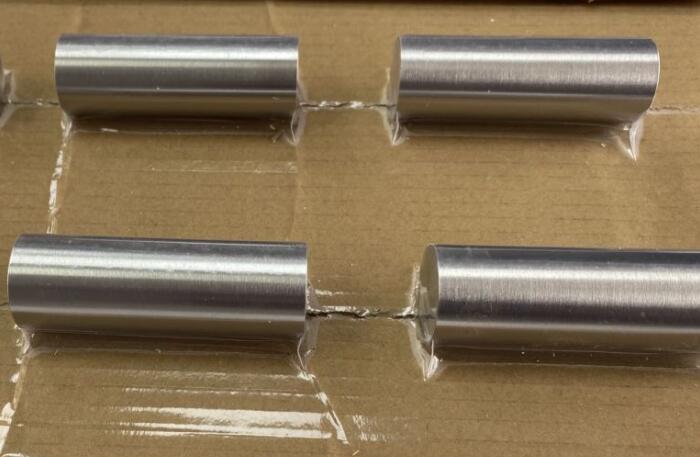
Market Demand Dynamics
Market demand for high-quality molybdenum rods is driven by several factors. The growth of high-tech industries, particularly in aerospace, electronics, and renewable energy, has increased the demand for materials that can withstand extreme conditions. Molybdenum rods, with their superior properties, are ideal for these applications. Furthermore, infrastructure investments and industrial recovery in emerging economies have also contributed to the rising demand for molybdenum products.
However, the market is not without its challenges. The global economic environment remains uncertain, with fluctuations in demand and supply impacting prices. International trade policies, geopolitical risks, and changes in consumer preferences can all influence market dynamics. Additionally, the entry of new players and technological advancements can disrupt the competitive landscape, affecting pricing strategies.
Balancing Act
Manufacturers of high-quality molybdenum rods face a delicate balancing act between costs, quality, and market demand. On one hand, they must ensure that production costs remain manageable to maintain profitability. This often involves optimizing processes, negotiating raw material prices, and investing in efficient production technologies. On the other hand, compromising on quality can jeopardize market position and customer trust.
To navigate these challenges, manufacturers must adopt a strategic approach. This includes continuous monitoring of market trends, investing in research and development to innovate and improve product quality, and establishing long-term relationships with suppliers to secure raw materials at competitive prices. Additionally, understanding and anticipating customer needs is crucial for staying ahead of the competition.
The price dynamics of high-quality molybdenum rods are shaped by a complex interplay of cost factors, quality considerations, and market demand. Manufacturers must strike a balance between these elements to remain competitive and profitable. As the global economy evolves and technological advancements continue, the market for molybdenum rods will undoubtedly face new challenges and opportunities. By adopting a proactive and strategic approach, manufacturers can harness these changes to their advantage, ensuring a sustainable future for the high-quality molybdenum rod industry.