
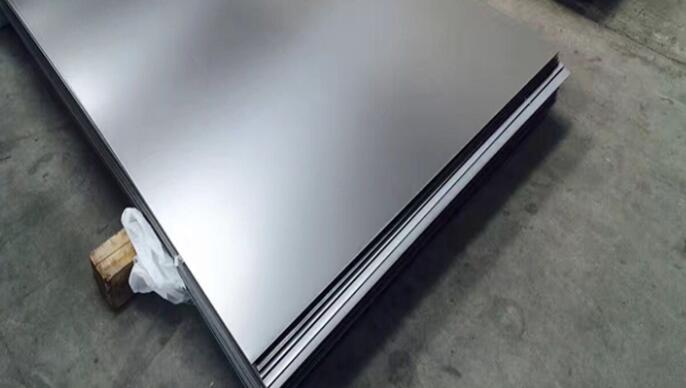
In the ever-evolving world of commodities, understanding real-time molybdenum sheet is crucial for businesses and investors alike. Molybdenum, a silvery-white, ductile, and hard transition metal, plays a vital role in various industries, including steel production, electronics, and aerospace. Its unique properties make it indispensable in creating alloys that enhance strength, corrosion resistance, and high-temperature performance. Given its strategic importance, staying informed about molybdenum sheet dynamics is essential for making informed decisions in the market.
Current Market Overview
As of recent data (January 2025), molybdenum sheet have shown stability with slight fluctuations. Prices for various molybdenum sheet products, such as 1# molybdenum, molybdenum bars, molybdenum wire, and molybdenum iron, are all listed with specific price ranges and averages. For instance, the price of 1# molybdenum ranges between 465 and 473 yuan per kilogram, with an average price of 469 yuan per kilogram. Similarly, molybdenum wire prices hover around 2000 to 2300 yuan per 10,000 meters, reflecting a market that remains relatively steady despite minor variations.
Factors Influencing Price Fluctuations
Several factors contribute to the fluctuation of molybdenum sheet in the market. One key driver is the balance between supply and demand. In 2024, the molybdenum market experienced significant volatility due to shifting supply and demand dynamics. Initially, the market showed an upward trend in the first quarter, fueled by robust demand and pre-holiday stockpiling by producers. However, by the end of the first quarter and the beginning of the second, terminal demand failed to meet expectations, leading to an accumulation of inventories and a subsequent price drop.
Moreover, the performance of downstream industries, particularly stainless steel production, has a direct impact on molybdenum prices. Increased stainless steel production can lead to higher molybdenum demand, thereby supporting prices. Conversely, any slowdown in stainless steel production can result in lower molybdenum demand and, consequently, price decreases.
Geopolitical and Economic Factors
Geopolitical tensions and economic policies also play a pivotal role in shaping molybdenum prices. International trade policies, tariffs, and export restrictions can affect the flow of molybdenum and its alloys across borders, impacting supply and demand dynamics globally. Additionally, economic growth in major consuming countries, such as China and the United States, influences the demand for molybdenum, as these economies drive the consumption of steel and other molybdenum-containing products.
Looking ahead, the molybdenum market is expected to remain dynamic, with prices continuing to fluctuate based on supply and demand fundamentals, as well as external factors such as geopolitical tensions and economic conditions. Investors and businesses should closely monitor these trends to make informed decisions about their molybdenum investments and procurement strategies.
Staying informed about real-time molybdenum price trends is vital for navigating the complex and volatile commodity market. By understanding the factors that influence molybdenum prices, businesses and investors can better anticipate market movements and make informed decisions that align with their strategic objectives. Whether you are a producer, consumer, or investor, having access to reliable and timely molybdenum price data is crucial for success in this dynamic market.