
Copper-tungsten alloy, as a high-performance composite material, combines the advantages of both tungsten and copper. This paper delves into the melting point characteristics of copper-tungsten alloy and the factors that influence its melting point. By understanding these characteristics and factors, we can better utilize this material in various industries.
- Introduction
Copper-tungsten alloy, also known as tungsten-copper alloy, is a metal matrix composite material composed primarily of tungsten (W) and copper (Cu). Tungsten is renowned for its high melting point, high density, and excellent hardness, while copper boasts superior electrical and thermal conductivity. The combination of these two metals results in a material with a unique set of properties, making it ideal for applications in aerospace, electronics, power, and other high-end manufacturing industries.
- Melting Point Characteristics of Copper-Tungsten Alloy
The melting point of a substance is the temperature at which it transitions from a solid state to a liquid state. For copper-tungsten alloy, its melting point is influenced by several factors, including pressure, composition, and impurities.
2.1 Pressure
The melting point of copper-tungsten alloy varies with pressure. Under atmospheric pressure, an increase in pressure typically leads to an increase in melting point. However, this behavior differs from that of other liquid substances, where an increase in pressure often results in a decrease in melting point. This unique characteristic of copper-tungsten alloy is due to its crystalline structure and interactions between tungsten and copper atoms.
2.2 Composition
The melting point of copper-tungsten alloy also depends on its composition, specifically the ratio of tungsten to copper. Alloys with a higher tungsten content generally have higher melting points due to tungsten’s high melting point of 3410°C. Conversely, alloys with a higher copper content will have lower melting points, approaching copper’s melting point of 1080°C.
2.3 Impurities
Even small amounts of impurities can significantly affect the melting point of copper-tungsten alloy. Impurities can disrupt the crystalline structure of the alloy, leading to changes in its melting behavior. Therefore, it is crucial to control the purity of raw materials and processing conditions to ensure consistent melting point properties.
- Influencing Factors
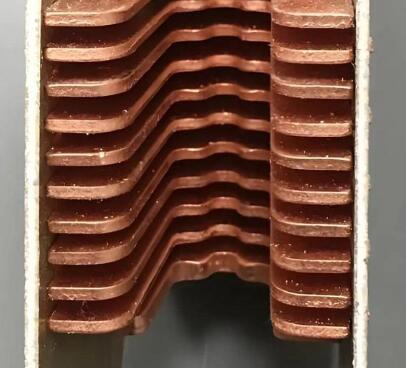
Several factors can influence the melting point of copper-tungsten alloy, including alloy composition, processing methods, and environmental conditions.
3.1 Alloy Composition
As mentioned earlier, the ratio of tungsten to copper directly affects the melting point of the alloy. Adjusting this ratio can tailor the melting point to meet specific application requirements.
3.2 Processing Methods
The processing methods used to produce copper-tungsten alloy can also affect its melting point. For instance, sintering and infiltration processes can introduce pores or impurities into the alloy, which can alter its melting behavior. Therefore, careful control of processing parameters is essential to ensure consistent melting point properties.
3.3 Environmental Conditions
Environmental conditions, such as temperature and pressure, can also influence the melting point of copper-tungsten alloy. Changes in these conditions can affect the crystalline structure and interactions between tungsten and copper atoms, leading to shifts in melting point.
- Applications of Copper-Tungsten Alloy
Due to its unique combination of properties, copper-tungsten alloy is widely used in various industries. Its high melting point and excellent thermal conductivity make it ideal for applications in high-temperature environments, such as aerospace and power generation. Its high hardness and wear resistance make it suitable for use in cutting tools and wear parts. Additionally, its electrical conductivity makes it an excellent choice for electrical contacts and electrodes in electronic devices.
In conclusion, the melting point of copper-tungsten alloy is influenced by multiple factors, including pressure, composition, impurities, processing methods, and environmental conditions. Understanding these factors is crucial for optimizing the performance of copper-tungsten alloy in various applications. By carefully controlling these factors, we can tailor the melting point and other properties of copper-tungsten alloy to meet specific requirements, enhancing its utility and versatility in high-end manufacturing industries.
Future research should focus on developing new processing techniques to further refine the microstructure of copper-tungsten alloy, improving its mechanical and electrical properties, and exploring new applications for this versatile material.