
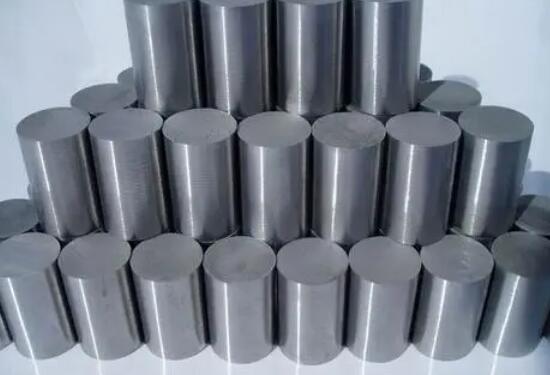
Tungsten rods, valued for their high melting point, excellent thermal conductivity, and corrosion resistance, are critical components in diverse industries. This article analyzes how price fluctuations of tungsten rods affect downstream sectors like aerospace, electronics, healthcare, and chemicals, exploring cost dynamics, supply chain adjustments, and long-term strategic implications.
1. Aerospace Industry: Balancing Cost and Irreplaceability
- Cost Sensitivity: Tungsten accounts for 15%-20% of material costs in aerospace components (e.g., engine nozzles, heat shields). A 10% price hike could increase part costs by 2%-3%, directly impacting profit margins.
- Demand Resilience: Despite price volatility, tungsten’s unique properties make it irreplaceable in extreme-temperature applications. Firms mitigate risks via long-term supply agreements and inventory optimization.
- Geopolitical Influence: Elevated defense spending amid geopolitical tensions (e.g., U.S.-China strategic competition) may offset cost pressures, though supply chain vulnerabilities persist.
2. Electronics Industry: Adaptation Through Innovation
- Cost Structure: Tungsten represents 5%-10% of material costs in electronic contacts and semiconductor equipment. Price swings prompt manufacturers to seek alternatives like molybdenum electrodes.
- Tech Substitutes: While tungsten’s thermal stability remains unmatched, innovations in carbon fiber and niobium-molybdenum alloys are reducing dependency in consumer electronics.
- Supply Chain Dynamics: Electronics firms leverage global sourcing to hedge against regional price hikes, with Southeast Asia emerging as a cost-effective manufacturing hub.
3. Healthcare Sector: Quality Over Cost
- Medical Applications: Tungsten is used in X-ray targets and surgical tools, where material purity and reliability take precedence over price. A 20% price increase may raise device costs by 1%-2%, but hospitals prioritize performance.
- Innovation Premium: Advanced applications, such as 3D-printed tungsten-based implants, command higher prices, offsetting raw material cost increases.
4. Chemical Industry: Stability Amid Volatility
- Niche Applications: Tungsten’s role in corrosion-resistant reactors (3%-5% of material costs) makes it less sensitive to price changes. Chemical firms focus on total cost of ownership rather than short-term fluctuations.
- Regulatory Pressures: Environmental compliance (e.g., wastewater treatment) introduces hidden costs, often exceeding savings from lower tungsten prices.
Price Transmission and Policy Divergence
- Cost Pass-Through: Downstream industries attempt to transfer cost burdens, but limited demand elasticity (e.g., aerospace) restricts pricing power.
- Circular Economy: Regenerated tungsten (from scrap) now accounts for 35% of global supply, with China’s 25% recycling rate lagging behind global standards.
- Policy Risks: China’s export controls, U.S. tariffs, and EU’s quest for alternative supply chains create market fragmentation, increasing procurement risks for multinationals.
Strategic Recommendations
- Supply Chain Diversification: Establish secondary suppliers in regions with stable policies (e.g., Vietnam for electronics).
- Investment in Recycling: Scale up tungsten recovery operations to reduce reliance on primary mining.
- Hedging Mechanisms: Utilize futures contracts to lock in prices during periods of volatility.
- R&D in Alternatives: Accelerate development of cost-effective substitutes for non-critical applications.
Tungsten rod price fluctuations disproportionately affect industries based on their cost structures and technological dependencies. While aerospace and healthcare face immediate challenges, electronics and chemicals demonstrate greater adaptability. Proactive strategies—from supply chain resilience to circular economy investments—will be crucial for mitigating risks in an increasingly fragmented global market.