
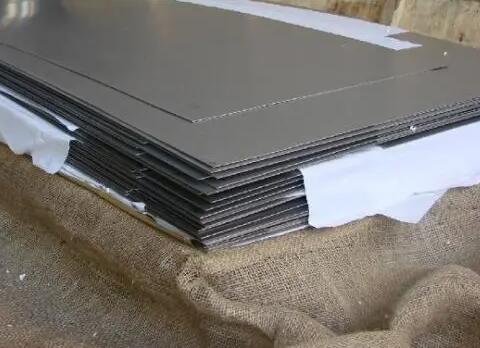
Molybdenum plates, renowned for their exceptional physical and chemical properties, are emerging as critical components in energy conversion and storage technologies. This article explores their unique attributes, applications in key energy devices, and future market prospects.
1. Unique Properties of Molybdenum Plates
- High-Temperature Performance: With a melting point of 2620°C, molybdenum excels in extreme thermal environments, making it ideal for high-temperature energy equipment.
- Thermal Conductivity: At 142 W/(m·K), it efficiently dissipates heat, enhancing device stability.
- Corrosion Resistance: Exceptional resistance to metal and glass melts extends equipment lifespan.
- Mechanical Strength: High strength and low thermal expansion enable precision engineering for complex designs.
2. Applications in Energy Conversion
- Solar Cells: Molybdenum serves as an electrode material, improving photoelectric conversion efficiency, particularly in concentrated photovoltaic systems.
- Fuel Cells: Used in bipolar plates and catalyst supports, molybdenum enhances reaction efficiency and reduces maintenance costs via corrosion resistance.
- Thermal Converters: Optimizes heat transfer in collectors and exchangers, boosting energy utilization in solar thermal plants.
3. Applications in Energy Storage
- Lithium-Ion Batteries: As current collectors, molybdenum thin plates enhance energy density and cycle stability.
- Supercapacitors: Molybdenum-based electrodes improve capacitance, enabling high-power applications.
- Metal-Air Batteries: Molybdenum alloys inhibit anode self-corrosion in magnesium-air batteries, raising efficiency and durability.
4. Market and Technology Trends
- Demand Growth: The global molybdenum market is projected to grow at a 4.8% CAGR, driven by renewable energy adoption.
- Technological Innovation: Advances in processing (e.g., rolling, coating) accelerate molybdenum’s integration into commercial storage solutions.
- Policy Support: Environmental regulations promote green energy technologies, increasing molybdenum demand in clean energy devices.
Molybdenum thin plates offer unparalleled potential in energy conversion and storage due to their thermal stability, mechanical robustness, and corrosion resistance. As markets expand and technologies evolve, strategic investments in molybdenum R&D and manufacturing will be vital to capitalize on emerging opportunities. By optimizing material properties and application techniques, industries can unlock molybdenum’s full potential in driving the clean energy transition.