
Tungsten rods, known for their exceptional physical properties such as high density, high melting point, and high hardness, are indispensable in various industries. Their versatility stems not only from these inherent characteristics but also from the availability of a wide range of sizes and specifications to cater to diverse application needs. This article delves into the detailed dimensions of tungsten rods and how they fulfill the requirements of different sectors.
Standard Dimensions and Specifications
Tungsten rods are typically manufactured in a variety of diameters and lengths to suit different applications. Standard diameters can range from as small as 1.5 millimeters (mm) to as large as 200 mm, with custom sizes also available upon request. Lengths usually vary depending on the diameter but often fall within the range of 50 mm to several hundred millimeters.
For instance, a tungsten rod with a diameter of 4 mm might have a standard length of 50 mm, with a tolerance of +0.2 to 0.4 mm in diameter and +1.0 mm in length. Larger rods, such as those with a diameter of 20 mm, might have a length of 100 mm, with diameter and length tolerances adjusted accordingly to maintain precision.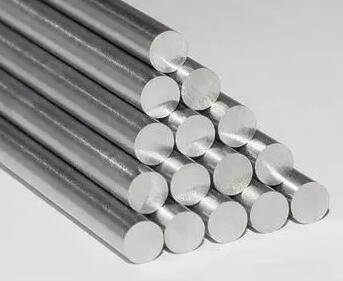
Customization for Specific Applications
The beauty of tungsten rods lies in their customizability. Manufacturers can tailor the dimensions, including diameter, length, and tolerance levels, to meet the exact requirements of specific applications. This flexibility is crucial in sectors where precision and performance are paramount.
For example, in the aerospace industry, tungsten rods might be required to withstand extreme temperatures and pressures. In such cases, manufacturers might produce rods with enhanced dimensional accuracy and material purity to ensure optimal performance.
Applications Across Various Sectors
Electronics and Semiconductor Manufacturing:
Tungsten rods are used in the production of electrodes and targets for sputtering processes in semiconductor manufacturing. The high density and good electrical conductivity of tungsten make it ideal for these applications.Medical Imaging:
In the medical field, tungsten rods are employed in X-ray and radiation shielding due to their high density and ability to absorb radiation effectively. Customized rods of specific dimensions are often needed to fit the unique requirements of medical equipment.Machining and Tooling:
Tungsten’s hardness and wear resistance make it a suitable material for cutting tools and dies. Rods of precise dimensions are essential for machining processes that require high precision and durability.Optical and Precision Instruments:
The high density and dimensional stability of tungsten rods make them ideal for use in optical and precision instruments, such as mirrors and lenses, where precision and stability are critical.Defense and Aerospace:
Tungsten rods are used in various defense and aerospace applications, including kinetic energy penetrators and high-temperature components. The ability to customize rods to precise specifications is crucial for these high-stakes applications.
Tungsten rods, with their diverse range of dimensions and specifications, play a vital role in fulfilling the needs of various industries. From electronics and medical imaging to machining and defense, tungsten rods offer a versatile solution that meets the demands of even the most challenging applications. As technology continues to evolve, the ability to customize tungsten rods to precise specifications will become even more critical, ensuring their continued relevance and importance in a wide range of sectors.