
Tungsten, known for its high density, hardness, and melting point, is a crucial material in various industries. Among its many forms, tungsten rods stand out due to their unique properties and versatile applications. This article aims to provide a comprehensive overview of the diverse types of tungsten rods available, exploring their characteristics, manufacturing processes, and potential uses.
1. Pure Tungsten Rods
Pure tungsten rods are made of tungsten with a purity level typically exceeding 99.95%. These rods are characterized by their high density, which makes them ideal for applications requiring radiation shielding or weight addition. They also exhibit excellent electrical and thermal conductivity, making them suitable for use in electrodes and heating elements.
2. Tungsten Alloy Rods
Tungsten alloy rods are created by combining tungsten with other metals such as nickel, copper, iron, or cobalt. These alloys offer a balance of tungsten’s high density and hardness with the added benefits of improved machinability, corrosion resistance, and ductility. Tungsten-nickel-copper alloys, for instance, are often used in aerospace and military applications due to their high strength and resistance to extreme temperatures.
3. Tungsten Carbide Rods
Tungsten carbide rods are composed of tungsten carbide particles bonded together with a cobalt or nickel binder. These rods are known for their extreme hardness and wear resistance, making them ideal for cutting tools, drilling bits, and wear parts in mining and construction industries. Tungsten carbide rods also find application in medical and dental tools due to their ability to maintain sharpness and durability over extended use.
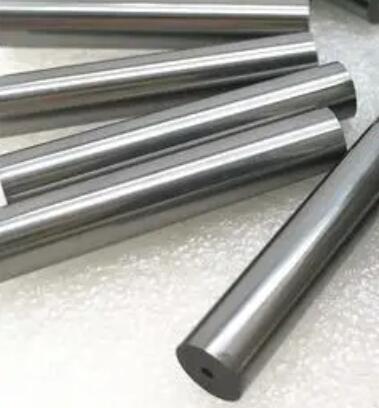
4. Tungsten Heavy Alloy Rods
Tungsten heavy alloy rods are specifically designed for applications requiring high density and good mechanical properties. These rods are typically made of tungsten, nickel, iron, and a small amount of copper or cobalt. They are used in radiation shielding, counterweights for aerospace and military systems, and as vibration dampeners in precision machinery.
5. Composite Tungsten Rods
Composite tungsten rods are created by embedding tungsten particles or fibers within a matrix of another material, such as plastic or ceramic. These rods combine the high density and hardness of tungsten with the lightweight and machinability of the matrix material. Composite tungsten rods are often used in sports equipment, such as golf club heads and fishing sinkers, where a combination of weight and durability is essential.
Manufacturing Processes
The production of tungsten rods involves several steps, including powder preparation, sintering, and, in some cases, additional processing such as machining, grinding, and polishing. The specific manufacturing process depends on the desired rod type and its intended application.
Applications
Tungsten rods are used in a wide range of industries, including aerospace, military, medical, mining, construction, and sports equipment. Their unique properties make them indispensable in applications requiring high density, hardness, wear resistance, and thermal stability.
In conclusion, tungsten rods come in a variety of types, each with its own unique characteristics and applications. From pure tungsten rods to tungsten carbide and composite rods, the versatility of tungsten makes it a valuable material in numerous industries. As technology continues to advance, the demand for tungsten rods is likely to grow, driving further innovation and development in this field.