
In the vast universe of high-tech materials, molybdenum plates stand out with their remarkable physical properties and diverse applications, particularly their awe-inspiring ultra-high melting point, which has captivated the attention of numerous researchers and engineers. This article delves into the unique nature of molybdenum plates’ melting point, unraveling the scientific mysteries behind it.
I. Introduction to Molybdenum Plates
Molybdenum (Mo), a silver-white metallic element located in the sixth period and Group VIB of the periodic table, is renowned for its high melting point, strength, excellent thermal and electrical conductivity. Molybdenum plates, as the name suggests, are sheets formed through rolling, forging, and other processes using molybdenum metal. They find widespread applications in aerospace, nuclear energy, electronics, chemicals, and numerous other fields.
II. Definition and Significance of Ultra-High Melting Point
The melting point refers to the temperature at which a substance transitions from its solid to liquid state. Molybdenum plates boast a melting point of approximately 2623°C (or 4753°F), significantly exceeding that of many common metals like iron (melting point of approximately 1538°C) and copper (melting point of approximately 1083°C). This ultra-high melting point ensures that molybdenum plates maintain a stable solid structure under extreme high-temperature conditions, resisting melting or deformation, crucial for equipment and components operating in such environments.
III. Analysis of the Causes Behind the Ultra-High Melting Point
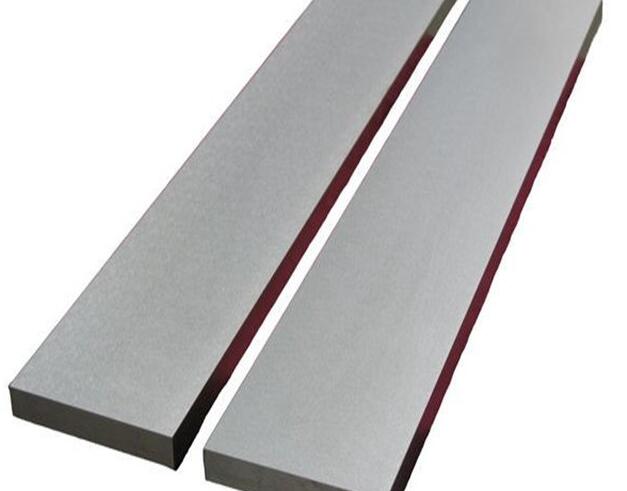
Molybdenum plates’ ultra-high melting point stems from their unique atomic structure and electron configuration. The stability of molybdenum atoms’ electronic shells and the strong metallic bonds between them form a tight and ordered crystal structure. This structure enables molybdenum plates to withstand the thermal vibrations and diffusion of atoms under high temperatures, preserving their solid-state stability and integrity.
Moreover, molybdenum’s moderate number of valence electrons neither too many nor too few, contributes to the optimal energy state when forming metallic bonds. This energy state enhances the strength of the metallic bonds, further elevating molybdenum plates’ melting point.
IV. Practical Applications of the Ultra-High Melting Point
Aerospace Industry: In aerospace, molybdenum plates are used to manufacture high-temperature components such as rocket engine nozzles and turbine blades. These components must withstand extreme temperatures and pressures, making molybdenum plates an ideal choice.
Nuclear Energy: In nuclear reactors, molybdenum plates serve as support structures and heat exchangers for the reactor core. The immense heat generated by nuclear reactions requires efficient heat exchange systems, and molybdenum plates’ high melting point and excellent thermal conductivity make them vital components in these systems.
Electronics: In the electronics industry, molybdenum plates are employed in the production of heat sinks and packaging materials for high-power electronic devices. As electronic technology advances, devices’ power densities increase, demanding more rigorous requirements for thermal materials. Molybdenum plates’ ultra-high melting point and exceptional thermal conductivity satisfy these demands.
Molybdenum plates’ ultra-high melting point is just one of its many outstanding physical properties, contributing significantly to its widespread applications in high-tech fields. By delving into this unique characteristic, we not only gain a deeper understanding of its scientific principles but also provide valuable support for research and engineering practices in related fields. As technology progresses, molybdenum plates, this high-tech material, will undoubtedly showcase its unique charm and value in even more sectors.