
Molybdenum (Mo) plates, known for their high melting point, excellent corrosion resistance, and superior thermal and electrical conductivity, are widely utilized in various industries such as aerospace, electronics, and nuclear energy. However, the machinability of molybdenum plates poses significant challenges due to their hardness and brittleness. This article delves into the cutting characteristics of molybdenum plates during machining, aiming to provide insights into optimizing the machining process and enhancing productivity.
Molybdenum plates exhibit unique physical and mechanical properties that make them indispensable in high-performance applications. Despite their advantages, the machining of molybdenum plates is often complicated by factors such as tool wear, surface roughness, and chip formation. Understanding the cutting characteristics of molybdenum plates is crucial for developing effective machining strategies that minimize material waste and improve part quality.
- Material Properties and Machining Challenges
Molybdenum plates possess a high density, hardness, and brittleness, which can lead to rapid tool wear and poor surface finish during machining. The high thermal conductivity of molybdenum also means that heat generated during cutting can quickly dissipate into the workpiece, potentially causing thermal distortion. Additionally, the high melting point of molybdenum necessitates the use of specialized cutting tools and coolants to maintain optimal cutting conditions.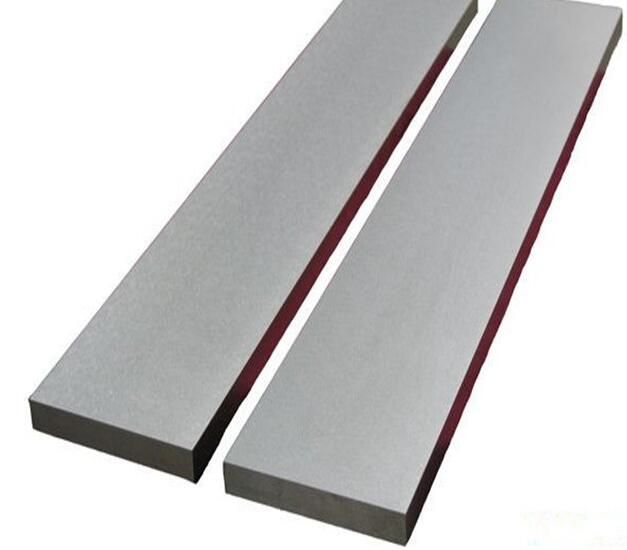
- Cutting Tool Selection
The choice of cutting tool is critical in the machining of molybdenum plates. Carbide and ceramic tools are often preferred due to their hardness and wear resistance. The geometry of the cutting edge, including rake angle, clearance angle, and nose radius, must be carefully designed to balance cutting forces, tool life, and surface finish.
- Cutting Parameters Optimization
The optimization of cutting parameters, such as cutting speed, feed rate, and depth of cut, is essential for achieving efficient and high-quality machining of molybdenum plates. High cutting speeds can lead to increased tool wear and thermal distortion, while low speeds may result in excessive material removal rates and poor surface finish. Similarly, the feed rate and depth of cut must be balanced to ensure stable cutting conditions and minimize tool vibration.
- Surface Roughness and Tool Wear
Surface roughness is a critical quality indicator in the machining of molybdenum plates. It is influenced by factors such as cutting parameters, tool geometry, and workpiece material properties. Tool wear, caused by the abrasive nature of molybdenum, can exacerbate surface roughness issues. Regular tool inspection and replacement, along with the use of appropriate coolants, can help mitigate tool wear and maintain surface quality.
- Chip Formation and Control
Chip formation during the machining of molybdenum plates can be challenging due to the material’s brittleness. Continuous chips are often difficult to achieve, leading to segmented or powdery chips that can clog the cutting zone and disrupt the machining process. Effective chip control strategies, such as the use of chip breakers and appropriate coolant pressures, are essential for maintaining smooth and efficient cutting operations.
The machining of molybdenum plates presents unique challenges due to the material’s hardness, brittleness, and high thermal conductivity. By understanding the cutting characteristics of molybdenum plates and optimizing cutting tool selection, cutting parameters, surface roughness control, tool wear management, and chip formation strategies, manufacturers can achieve efficient and high-quality machining of molybdenum plates. Future research should focus on developing new cutting tool materials and machining techniques to further enhance the machinability of molybdenum plates and expand their applications in various industries.