
In precision mold manufacturing, the practical application of wire-cut molybdenum plate significantly enhances processing efficiency and quality. The following delves into the application practices and advantages of wire-cut molybdenum plate in this field.
1. Overview of Wire-cut Technology
Wire-cut, particularly Wire Electrical Discharge Machining (WEDM), is a highly precise and flexible processing method. It involves a thin conductive wire (typically molybdenum or other materials) moving rapidly back and forth between upper and lower guides. The workpiece and wire are charged with opposite polarities, and an electric discharge generates high heat to melt and vaporize the metal, thereby cutting the workpiece along a predetermined path. Wire-cut technology comes in two main forms: high-speed wire-cut (HS-WEDM) and low-speed wire-cut (LS-WEDM), with the latter offering higher precision but at a higher cost.
2. Advantages of Molybdenum Plate in Mold Manufacturing
Molybdenum plate, as a metal material with high melting point, strength, and corrosion resistance, offers unique advantages in mold manufacturing. Its high hardness and wear resistance ensure that molybdenum molds maintain high precision and stability over extended use. Additionally, molybdenum’s excellent thermal conductivity and resistance to thermal shock are crucial for molds requiring high-temperature processing or withstanding high-speed friction.
3. Practical Application of Wire-cut Molybdenum Plate in Precision Mold Manufacturing
3.1 Complex Shape Processing
Wire-cut technology can process intricate straight-through and small-taper type cavities, crucial for precision mold manufacturing. Through CAD/CAM systems, the process from graphic input to automation ensures precise cutting of complex planar geometric contours. Molybdenum plate’s high hardness and toughness minimize deformation during processing, ensuring precision.
3.2 Improving Processing Precision
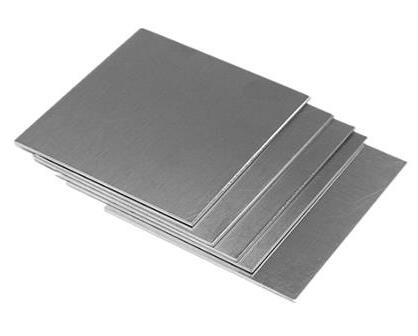
Optimizing cutting parameters, such as pulse width, pulse gap, and selecting high-quality cutting wire, enhances the precision of wire-cut molybdenum plate. Multiple-pass cutting techniques further reduce electrode wire vibration, improving cutting stability and achieving higher precision molds.
3.3 Enhancing Surface Quality
Wire-cut technology produces high-quality surfaces essential for mold wear resistance and longevity. By optimizing cutting parameters and paths, surface roughness decreases, enhancing mold smoothness and precision. For extremely precise molds, multiple-pass cutting techniques further improve surface quality.
3.4 Boosting Production Efficiency
Wire-cut technology’s high processing speed and independence from workpiece hardness enable efficient processing of molybdenum plate. Optimizing cutting speeds and paths significantly shortens processing cycles, enhancing productivity. The stability and durability of wire-cut equipment ensure long-term, efficient production capabilities.
4. Application Examples
- Mold Insert Fabrication: Wire-cut molybdenum plate inserts enhance mold venting and reduce scrap rates. Precise cutting and strategic insert placement optimize mold structure and performance.
- Complex Cavity Processing: Wire-cut technology tackles complex cavity structures in precision mold manufacturing, achieving high precision and quality.
- High-precision Keyway Processing: Wire-cut technology also processes high-precision keyways in molds, ensuring assembly precision and performance.
The practical application of wire-cut molybdenum plate in precision mold manufacturing demonstrates its ability to significantly enhance processing efficiency and quality. By optimizing cutting processes, selecting high-quality materials and equipment, and maintaining equipment, the advantages of wire-cut technology can be further leveraged to support precision mold manufacturing. As technology advances and application areas expand, the prospects for wire-cut molybdenum plate in precision mold manufacturing will become even broader.