
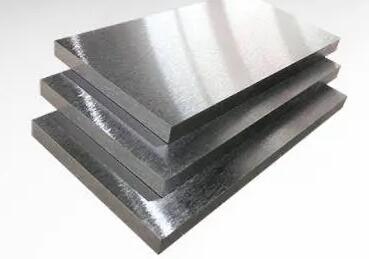
In the realm of industrial materials, molybdenum (Mo) stands out due to its exceptional physical properties, including high melting point, good thermal conductivity, and resistance to corrosion. However, like many metals, molybdenum is susceptible to oxidation, particularly in high-temperature environments. Oxidation can degrade material properties, leading to premature failure and reduced efficiency in industrial applications. Therefore, the development of effective antioxidant technologies for molybdenum plates has become a crucial area of research, aimed at enhancing their durability and stability. This article explores various antioxidant techniques and their potential to safeguard molybdenum plates in industrial settings.
Understanding Oxidation in Molybdenum Plates
Oxidation occurs when molybdenum reacts with oxygen, forming molybdenum oxides on the surface. This process is accelerated at higher temperatures, where oxygen molecules become more reactive. The formation of oxides can alter the material’s mechanical properties, such as hardness and ductility, and can lead to embrittlement and cracking over time. In industrial applications, where molybdenum plates are often exposed to harsh conditions, controlling oxidation is essential to maintaining operational stability and extending component lifespan.
Antioxidant Techniques for Molybdenum Plates
- Surface Coatings
Surface coatings are one of the most effective methods to protect molybdenum plates from oxidation. These coatings can be either metallic, ceramic, or polymeric in nature. Metallic coatings, such as chromium or nickel, provide a barrier that prevents oxygen from reaching the molybdenum substrate. Ceramic coatings, often composed of oxides like alumina or zirconia, offer high temperature stability and chemical inertness. Polymeric coatings, while less common due to their lower temperature limits, can provide additional corrosion resistance in specific applications.
- Alloying
Alloying molybdenum with other metals can improve its resistance to oxidation. For instance, adding small percentages of lanthanum or cerium to molybdenum alloys has been shown to reduce oxide formation rates. These elements act as antioxidants, scavenging oxygen radicals and stabilizing the oxide layer, thereby enhancing the material’s durability.
- Diffusion Coatings
Diffusion coatings involve the application of a thin layer of a protective metal, such as aluminum or silicon, onto the molybdenum surface. During high-temperature exposure, these elements diffuse into the molybdenum, forming a protective oxide layer that acts as a barrier against further oxidation. This technique requires precise control of the coating process and annealing conditions to ensure effective diffusion and oxide layer formation.
- Oxidation-Resistant Treatments
Chemical treatments, such as passivation, can also be employed to enhance molybdenum’s oxidation resistance. Passivation involves exposing the molybdenum surface to a chemical solution that reacts with the surface to form a stable, protective oxide layer. This layer is less porous and more adherent than naturally formed oxides, providing better protection against further attack.
Advancements and Future Directions
Recent advancements in materials science and surface engineering have led to the development of novel antioxidant technologies for molybdenum plates. These include the use of advanced coating materials, such as nanostructured oxides and graphene-based composites, which offer superior barrier properties and thermal stability. Additionally, ongoing research into alloy compositions and processing techniques aims to identify new antioxidants and improve the performance of existing ones.
Future directions in this field will likely focus on the development of more environmentally friendly treatments and coatings, as well as the integration of antioxidant technologies with advanced manufacturing processes. The goal is to create molybdenum plates that not only offer exceptional resistance to oxidation but also meet the sustainability and efficiency demands of modern industrial applications.
In summary, the development of effective antioxidant technologies for molybdenum plates is crucial for ensuring their stability and durability in industrial applications. By leveraging advancements in surface coatings, alloying, diffusion coatings, and oxidation-resistant treatments, researchers and engineers can significantly enhance the oxidation resistance of molybdenum plates. As we continue to push the boundaries of material performance, these technologies will play an increasingly important role in enabling innovative and reliable industrial solutions.