
Molybdenum (Mo), a refractory metal renowned for its high melting point, excellent thermal conductivity, and corrosion resistance, finds extensive applications in diverse industries such as aerospace, electronics, and nuclear energy. High-performance molybdenum plates, in particular, are crucial components in these sectors due to their ability to withstand extreme temperatures and pressures. However, the machinability of these plates poses a significant challenge to manufacturers, often leading to increased production costs and reduced efficiency. This article explores innovative techniques aimed at enhancing the machinability of high-performance molybdenum plates.
1. Advanced Cutting Tool Materials
One of the most effective strategies to improve machinability involves the use of advanced cutting tool materials. Traditional tools, such as carbide and ceramic inserts, often suffer from rapid wear and tear when machining molybdenum, which has a high hardness and abrasive nature. The introduction of polycrystalline diamond (PCD) and cubic boron nitride (CBN) tools has revolutionized the process. These materials offer exceptional hardness and wear resistance, enabling smoother and faster cutting operations with minimal tool degradation.
2. Cryogenic Machining
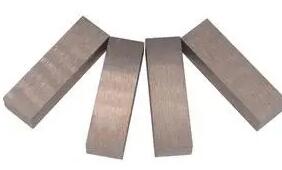
Cryogenic machining, which involves cooling the workpiece and cutting tools to extremely low temperatures, is another innovative technique. By lowering the temperature, the hardness and brittleness of molybdenum are reduced, making it more susceptible to deformation and easier to cut. This technique not only enhances the surface finish of the machined parts but also prolongs the lifespan of cutting tools by minimizing thermal stress and wear.
3. Laser-Assisted Machining (LAM)
Laser-assisted machining leverages the precision and heat-generating capabilities of lasers to soften the material locally before cutting. By directing a laser beam onto the molybdenum plate, a thin layer of the material is heated and softened, allowing for easier and more controlled removal with traditional tools. LAM reduces cutting forces, tool wear, and burr formation, significantly enhancing the machinability of high-performance molybdenum plates.
4. Ultrasonic-Assisted Machining (USM)
Ultrasonic-assisted machining combines conventional machining with high-frequency vibrations. The ultrasonic waves are applied to the cutting tool, causing it to oscillate rapidly. This vibration disrupts the material’s structure at the microscopic level, making it easier to shear and chip away. USM not only enhances the material removal rate but also improves surface quality and reduces tool wear, thereby increasing the overall machinability of molybdenum plates.
5. Chemical and Thermal Treatments
Chemical treatments, such as annealing and quenching, can alter the microstructure of molybdenum, making it more machinable. Annealing reduces internal stresses and improves ductility, while quenching hardens the material, enhancing its wear resistance. Thermal treatments, when applied appropriately, can strike a balance between hardness and machinability, optimizing the material for specific applications.
6. High-Pressure Water Jet Machining (HPWJM)
High-pressure water jet machining utilizes a stream of highly pressurized water, sometimes mixed with abrasives, to cut through materials. This non-contact process minimizes heat generation and tool wear, making it ideal for machining brittle and hard materials like molybdenum. HPWJM offers high precision and flexibility, allowing for complex shapes and geometries to be machined with minimal material waste.
Conclusion
Improving the machinability of high-performance molybdenum plates is crucial for reducing production costs, enhancing efficiency, and enabling broader application of this versatile material. Advanced cutting tool materials, cryogenic machining, laser-assisted machining, ultrasonic-assisted machining, chemical and thermal treatments, and high-pressure water jet machining represent a suite of innovative techniques that hold promise for overcoming the machinability challenges associated with molybdenum. As research and technology continue to evolve, manufacturers can look forward to even more efficient and cost-effective methods for processing high-performance molybdenum plates, driving advancements across various industries.